Preventative Maintenance for Spray Units
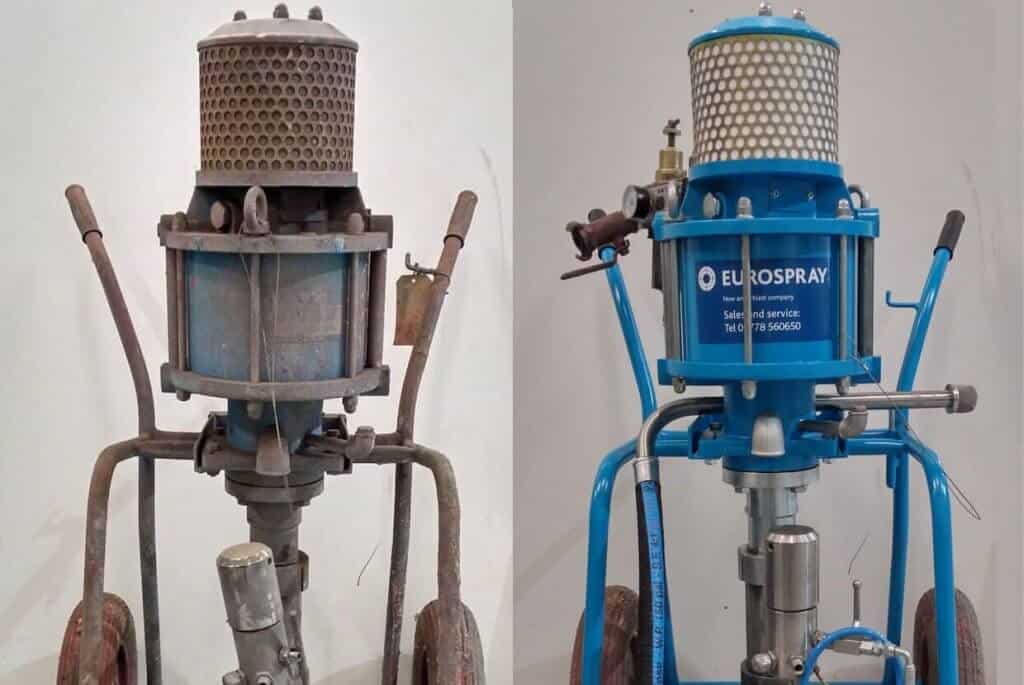
In industrial spraying environments, performance consistency is the result of structured preventative maintenance, disciplined daily routines and early intervention when wear begins to show.
Spray units operate under pressure, often in demanding production environments. When servicing is overlooked, the impact is immediate: inconsistent spray patterns, pressure fluctuations, premature component failure and costly downtime. A planned maintenance framework protects coating quality, supports operator safety and extends equipment lifespan.
This guide outlines practical, workshop-ready steps to help operators and managers reduce risk and maintain reliability.
Why preventative maintenance matters
Spray units rely on precision. Fluid delivery systems, pumps, seals, tips and filters must operate in balance to maintain atomisation and coating consistency.
Neglect can result in:
- Spray gun blockages and pattern distortion
- Uneven film build and poor adhesion
- Increased material waste
- Pump cavitation or seal damage
- Unexpected production stoppages
In high-throughput environments, even minor interruptions can disrupt schedules and increase operating costs. A structured preventative maintenance programme for spray units significantly reduces these risks.
Daily maintenance routine
Daily checks form the foundation of reliable spray equipment maintenance.
1. Clean thoroughly after use
Spray guns should be cleaned immediately after each shift and, where appropriate, between coats to prevent material curing within the system. Dried coatings are a primary cause of blockages and irregular spray patterns.
Key actions:
- Flush the system with the correct cleaning solution
- Disassemble and clean filters, tips and guards
- Inspect fluid passages for residue
- Dry and reassemble correctly
Failure to clean between coats can allow partial curing, restricting flow and affecting atomisation quality.
2. Inspect spray tips and nozzles
Worn spray tips cause increased flow rates and uneven distribution. This leads to excess material application and inconsistent finishes.
Check for:
- Fan pattern distortion
- Tailing or streaking
- Increased pressure requirements
Replace worn tips promptly to maintain consistent output.
3. Check filters and strainers
Blocked filters reduce fluid flow and strain the pump. Clean or replace as required. Maintaining filtration integrity prevents debris entering the spray gun and reduces the risk of internal damage.
Weekly maintenance checks
Weekly servicing focuses on wear components and system integrity.
1. Inspect hoses and connections
High-pressure hoses should be examined for:
- Abrasions
- Bulging
- Leaks at fittings
Damaged hoses pose safety risks and can cause pressure loss.
2. Lubricate moving parts
Follow manufacturer guidance for lubrication of packings and moving components. Proper lubrication reduces friction, prevents premature seal wear and maintains pump efficiency.
3. Monitor pressure stability
Unstable pressure may indicate:
- Worn packings
- Air leaks
- Blocked filters
- Pump valve wear
Early detection prevents larger mechanical failures.
Periodic and scheduled servicing
In addition to daily and weekly checks, spray units require structured periodic servicing.
Pump maintenance
Pump packings, seals and valves are wear components. Scheduled inspection and replacement prevents fluid leakage and loss of pressure performance.
Seal and packing replacement
Over time, chemical exposure and mechanical stress degrade seals. Worn packings can result in material bypass and inconsistent output.
Electrical and air system inspection
For air-assisted and electrostatic systems, inspect:
- Air regulators
- Moisture traps
- Electrical connections
- Grounding systems
Moisture contamination and poor grounding can significantly affect finish quality.
Common wear components
Operators should be familiar with high-wear parts, including:
- Spray tips
- Filters and strainers
- Pump packings
- Seals and O-rings
- Hoses
- Trigger assemblies
Maintaining a stock of critical spare parts reduces downtime and supports rapid repairs.
Troubleshooting early warning signs
Address minor issues before they escalate.
- Irregular spray pattern: Likely causes: worn tip, partial blockage, pressure fluctuation.
- Material spitting or pulsing: Possible air in system, loose fittings or worn pump components.
- Loss of pressure: Blocked filters, worn packings or fluid leaks.
- Frequent blockages: Inadequate cleaning, poor filtration or contaminated coating material.
A structured troubleshooting approach protects coating quality and reduces unplanned intervention.
The operational risks of neglect
When preventative maintenance is ignored, consequences extend beyond equipment damage.
- Increased rework due to finish defects
- Higher coating consumption
- Reduced asset lifespan
- Safety risks from hose or pressure failure
- Unplanned shutdowns affecting delivery schedules
For contractors and production facilities operating to strict deadlines, reliability is non-negotiable.
Building a maintenance framework
To reduce spray downtime effectively:
- Implement documented daily, weekly and monthly checklists
- Record servicing intervals
- Train operators on cleaning and inspection procedures
- Track component replacement cycles
- Review performance trends
Preventative maintenance should be embedded into operational culture, not treated as a reactive task.
Supporting long-term performance
Spray units represent a critical production asset. Protecting them requires consistency, training and access to quality spare parts and servicing support.
Airblast supports customers not only with equipment supply, but with servicing, technical advice and access to genuine replacement parts. Reliable spraying begins with disciplined maintenance – and a partner who understands the operational demands behind it.