Understanding Abrasive Consumption and Cost Control
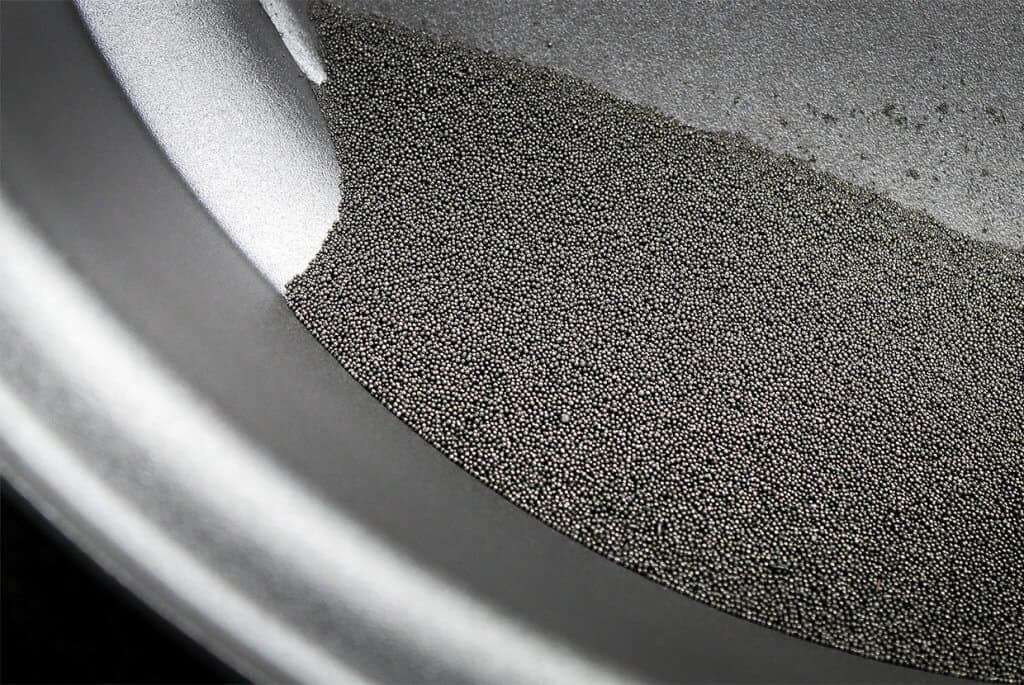
Abrasive blasting is often viewed in terms of productivity and surface quality – but behind every successful process is a careful balance of material use, equipment efficiency and operator control.
Abrasive media consumption plays a direct role in overall project cost. From the volume of media used per job to the way it is recovered, recycled and disposed of, even small inefficiencies can quickly scale into significant operational expense.
Understanding what drives abrasive consumption is the first step towards controlling costs and improving long-term performance.
Why abrasive consumption matters
Abrasive media is a key cost driver across the entire blasting process.
Excessive consumption leads to:
- Higher material purchasing costs
- Increased downtime for refilling and handling
- Greater waste generation and disposal fees
- Reduced operational efficiency
In many cases, the cost per job is not defined by the abrasive itself, but by how effectively it is used. Poor control can result in more media being consumed without improving surface preparation quality.
Abrasive selection and its impact on cost
Not all abrasive media performs in the same way. The choice of media directly affects how much is required to achieve the desired surface profile.
Key factors include:
- Hardness and durability: More durable abrasives can be reused multiple times, reducing overall consumption
- Particle size and shape: Influences cutting efficiency and surface coverage
- Breakdown rate: Lower-quality media can degrade quickly, increasing usage and dust generation
Selecting the right abrasive for the application ensures that energy is used efficiently. A mismatch between media and substrate often results in overconsumption without improving results.
The role of recovery and recycling systems
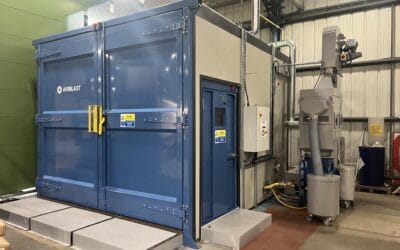
Abrasive recovery systems are one of the most effective ways to control consumption.
Without recovery, abrasive is used once and discarded. With a well-designed system, media can be:
- Collected after blasting
- Cleaned and separated from contaminants
- Reintroduced into the process
This significantly reduces the volume of new abrasive required.
Efficient recovery systems also improve:
- Workplace cleanliness
- Visibility and safety
- Environmental performance
However, poorly maintained or inefficient systems can reduce the quality of recycled abrasive, leading to inconsistent blasting and increased waste.
Equipment setup and efficiency
Blasting equipment plays a major role in how effectively abrasive is used.
Common inefficiencies include:
- Incorrect air pressure settings
- Worn or oversized nozzles
- Poorly calibrated metering valves
- Air leaks within the system
These issues can cause excessive abrasive flow without increasing blasting performance. For example, a worn nozzle increases aperture size, allowing more abrasive and air to pass through. This leads to higher consumption with reduced blasting efficiency. Routine inspection and maintenance are essential to ensure equipment operates within optimal parameters.
Operator technique and control
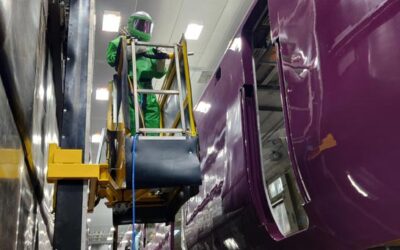
Even with the right abrasive and equipment, operator technique has a significant impact on consumption.
Key considerations include:
- Nozzle distance and angle: Incorrect positioning reduces efficiency and increases media use
- Dwell time: Over-blasting areas wastes abrasive and time
- Consistency of movement: Uneven passes lead to rework and additional consumption
Skilled operators are able to achieve the required surface standard using less material by maintaining consistent technique and control. Training plays an important role here, helping teams understand how adjustments in technique affect both performance and cost.
Hidden costs of inefficient blasting
Abrasive consumption is often linked to broader operational inefficiencies.
Excessive use can indicate:
- Poor process control
- Inconsistent surface preparation
- Increased rework rates
- Longer project timelines
These factors contribute to the true cost of blasting, which extends beyond material usage to include labour, downtime and energy consumption. By focusing on abrasive efficiency, businesses can improve overall process reliability and reduce indirect costs.
Practical ways to reduce abrasive consumption
Improving cost control does not require a complete process overhaul. Small, targeted changes can deliver measurable results.
Consider the following:
- Review abrasive selection to match application requirements
- Implement or optimise recovery and recycling systems
- Schedule regular equipment inspections and nozzle replacement
- Monitor air pressure and abrasive flow settings
- Provide operator training to improve consistency and efficiency
Tracking consumption rates over time can also help identify trends and highlight areas for improvement.
Supporting more sustainable operations
Reducing abrasive consumption is not only a cost-saving measure – it also supports more sustainable blasting operations.
Lower usage means:
- Reduced raw material demand
- Less waste sent for disposal
- Improved site cleanliness and environmental control
As sustainability becomes a growing priority across industries, efficient abrasive use is an important part of responsible surface preparation.
A more controlled approach to blasting
Abrasive consumption is influenced by multiple factors, from media selection to operator technique. When these elements are aligned, blasting becomes more efficient, predictable and cost-effective.
Rather than focusing solely on output, a controlled approach considers how materials, equipment and processes work together. The result is not just reduced cost – but improved performance, consistency and long-term operational value.