What to Consider When Designing a Custom Blast Room

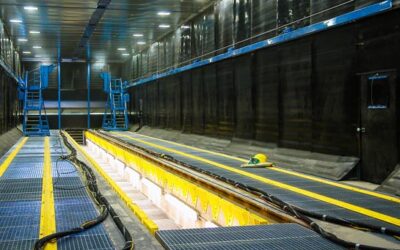
Designing a custom blast room is not just about selecting equipment. It’s about creating a controlled, efficient environment that supports productivity, operator safety, and long-term performance.
For contractors, project managers and facility decision-makers, the right design can significantly reduce running costs, improve finish quality, and ensure compliance. The wrong setup can lead to excessive maintenance, and inconsistent results.
This guide outlines the key considerations when planning a custom blast room, helping you make informed decisions from the outset.
Start with the application
Every blast room should be designed around what you are blasting, not the other way around.
Key questions to define early:
- What materials are being processed (steel, aluminium, composites)?
- What size and shape are the components?
- What surface preparation standard is required (e.g. Sa 2½)?
- What throughput is needed per day or per shift?
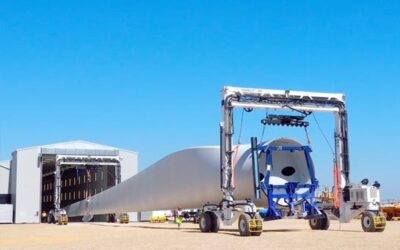
These factors influence everything from room size and airflow requirements to abrasive selection and recovery systems.
A facility handling large structural steel will have very different requirements to one processing smaller fabricated parts or batch components. Getting this stage right ensures the entire system is aligned with your operational goals.
Airflow and ventilation
Airflow is one of the most critical elements of a blast room design.
Effective ventilation:
- Maintains visibility for operators
- Removes dust and contaminants
- Supports a safe working environment
- Helps achieve consistent surface preparation
Poor airflow can result in reduced visibility, uneven blasting, and increased health risks.
Key considerations include:
- Air velocity across the working zone
- Dust extraction system capacity
- Filter type and maintenance requirements
- Positioning of inlet and extraction points
A well-balanced system ensures dust is continuously drawn away from the operator without disrupting the blasting process.
Abrasive recovery and recycling
The way abrasive is recovered and reused has a direct impact on efficiency and operating costs.
Options typically include:
- Manual recovery (simple but labour-intensive)
- Mechanical systems (e.g. screw conveyors, bucket elevators)
- Pneumatic recovery systems
For high-throughput environments, automated recovery systems reduce downtime and keep operations running continuously.
Key factors to consider:
- Type of abrasive being used
- Expected consumption rates
- Maintenance access
- Level of automation required
An efficient recovery system not only reduces waste but also ensures a consistent blasting profile.
Layout and material flow
A well-designed blast room should support smooth, logical movement of materials through the facility.
Consider:
- How components enter and exit the blast room
- Whether handling is manual, forklift-based or automated
- Integration with upstream and downstream processes (e.g. coating or inspection)
- Space for staging, loading and unloading
Poor layout can create bottlenecks, increase handling time, and introduce unnecessary risk. Designing for flow improves productivity and reduces delays across the entire process.
Operator safety and compliance
Safety should be built into the design from the outset, not added as an afterthought.
A compliant blast room should include:
- Proper ventilation and dust control
- Adequate lighting for visibility
- Safe access and egress points
- Certified breathing air systems
- PPE compatibility and storage
Regular testing of breathing air quality in line with standards such as BS EN12021 is essential, alongside adherence to guidance like HSE HSG53.
A safer environment not only protects operators but also supports consistent, high-quality work.
Lighting and visibility
Visibility directly affects both safety and finish quality. Insufficient lighting can lead to missed areas, inconsistent coverage, and rework.
Consider:
- High-intensity, dust-protected lighting systems
- Strategic placement to minimise shadowing
- Easy maintenance and replacement access
Good visibility helps operators work more accurately and efficiently.
Equipment selection and compatibility
The performance of your blast room depends heavily on the equipment inside it.
This includes:
- Blast pots and control systems
- Nozzle selection and hose configuration
- Air supply capacity and quality
- Integration with dust extraction and recovery systems
Equipment should be selected as part of a complete system – not in isolation. Compatibility between components ensures reliable performance and reduces the risk of inefficiencies or failures.
Scalability and future planning
A blast room is a long-term investment. Designing only for current requirements can limit future growth.
Think ahead:
- Will production volumes increase?
- Will component sizes change?
- Is there potential to automate processes later?
Allowing space and flexibility in the design can prevent costly modifications in the future. Scalable systems support evolving operational needs without requiring a full redesign.
Maintenance and access
Ease of maintenance is often overlooked but has a major impact on uptime.
Consider:
- Access to filters, conveyors and key components
- Ease of cleaning and inspection
- Availability of spare parts
- Planned maintenance schedules
A design that simplifies maintenance reduces downtime and extends equipment life.
The value of a tailored approach
No two blast rooms are the same. Each facility has its own operational requirements, constraints, and performance goals.
A tailored design ensures:
- The system matches the application
- Efficiency is built into the workflow
- Safety and compliance are addressed from the outset
- Long-term costs are controlled
Working with an experienced partner helps translate these requirements into a fully integrated solution.
Bringing it all together
A well-designed custom blast room balances performance, safety, and efficiency. When airflow, recovery systems, layout and equipment are considered together, the result is a facility that delivers consistent results, reduces waste, and supports long-term productivity. Taking the time to plan properly at the design stage avoids costly compromises later.
Planning a blast room?
Airblast works closely with contractors and facility teams to design and deliver tailored blasting environments that meet operational and compliance requirements. Speak to our team to discuss your project or explore full-system solutions.