Protective Spray Coatings for Steel and Concrete Structures

Steel and concrete structures are built for long-term performance – but their lifespan is shaped by the environments they operate in.
From bridges and transport networks to industrial facilities and energy infrastructure, these assets are exposed to moisture, chemicals, temperature variation, and continuous wear. Over time, this leads to corrosion, surface degradation, and increasing maintenance demands.
Protective spray coatings provide a controlled barrier against these conditions. When correctly specified and applied, they play a critical role in maintaining structural integrity, improving durability, and reducing lifecycle costs.
Why environmental exposure matters
Degradation develops gradually through repeated exposure. For structural steel, corrosion is one of the most significant risks. When moisture and oxygen reach the surface, oxidation begins – weakening the material and compromising performance over time. In aggressive environments such as marine or industrial settings, this process accelerates significantly.
Concrete faces different but equally important challenges. Moisture ingress, chemical exposure, and freeze-thaw cycles can lead to cracking, surface erosion, and long-term deterioration. Without protection, both materials require more frequent repair, increasing downtime and cost across infrastructure projects.
How protective spray coatings work
Protective coatings are engineered to isolate the substrate from its environment.
Rather than acting as a cosmetic finish, they form a performance-driven barrier that:
- Prevents moisture and oxygen reaching the surface
- Resists chemical exposure and pollutants
- Reduces abrasion and mechanical wear
- Protects against UV and weathering
Most systems are applied in layers – combining primers, intermediate coats, and topcoats to achieve the required level of protection. This layered approach is one of the most effective ways to control corrosion and extend asset life across industrial structures.
Structural steel spray coatings in infrastructure
Structural steel spray coatings are essential across large-scale infrastructure – particularly where assets are exposed, difficult to access, or costly to repair.
Typical applications include:
- Bridges and transport infrastructure
- Water and energy facilities
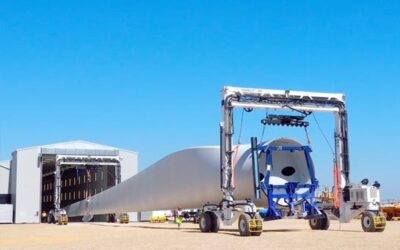
- Large-scale fabricated steel structures
- Rail and road assets
These environments often involve large, complex, and sometimes inaccessible structures that require specialist preparation and protection approaches. Coating systems such as epoxy, polyurethane, and zinc-rich primers are selected based on environmental exposure and required service life.
When applied correctly, they:
- Prevent corrosion at the source
- Maintain structural performance
- Reduce the frequency of maintenance interventions
Protecting concrete with spray-applied systems
Concrete protection focuses on limiting ingress and maintaining surface durability.
Spray-applied coatings and sealers create either a penetrating or surface-level barrier that reduces the absorption of water, salts, and chemicals. This helps to:
- Prevent moisture penetration and freeze-thaw damage
- Protect embedded reinforcement
- Improve resistance to abrasion and traffic
- Extend the usable life of the structure
In environments such as tunnels, car parks, and industrial floors, these coatings support consistent performance under continuous use.
The importance of surface preparation
Coating performance starts long before application. Effective surface preparation – typically through abrasive blasting – removes contaminants such as rust, scale, and previous coatings. This creates the correct surface profile for coating adhesion.
Without proper preparation:
- Coatings may fail prematurely
- Adhesion is reduced
- Long-term protection is compromised
This stage is critical. Even high-performance coatings will underperform if the surface is not prepared correctly.
Application control and consistency
Even the right coating system will underperform if application is inconsistent.
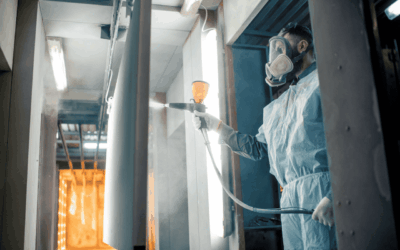
Spray application provides:
- Uniform coverage across complex geometries
- Controlled film thickness
- Faster application on large-scale projects
- Improved finish quality
However, results depend on controlling key variables:
- Airflow and ventilation
- Temperature and humidity
- Equipment setup and maintenance
Consistency at this stage directly affects coating performance and longevity.
Reducing lifecycle costs through protection
Protective coatings are not just about immediate results – they directly influence long-term cost.
A well-specified and properly applied spray system can:
- Extend maintenance intervals
- Reduce downtime and disruption
- Minimise rework
- Increase overall asset lifespan
Across infrastructure projects, this shift from reactive repair to planned protection delivers measurable cost savings over time.
Supporting long-term infrastructure performance
Protective spray coatings are a critical part of maintaining steel and concrete structures in demanding environments.
Their success depends on a combined approach:
- Correct coating selection for the environment
- High-quality surface preparation
- Controlled application conditions
- Reliable equipment and experienced operators
Airblast supports this process across the structural steel and infrastructure sector – helping ensure that large-scale, exposed assets are prepared, protected, and maintained to perform over the long term.
If you’re reviewing your coating processes or planning an upcoming project, taking a more considered approach at the preparation and application stage can make a measurable difference to long-term performance.