How to Assemble a Spray Gun Setup for Optimal Performance
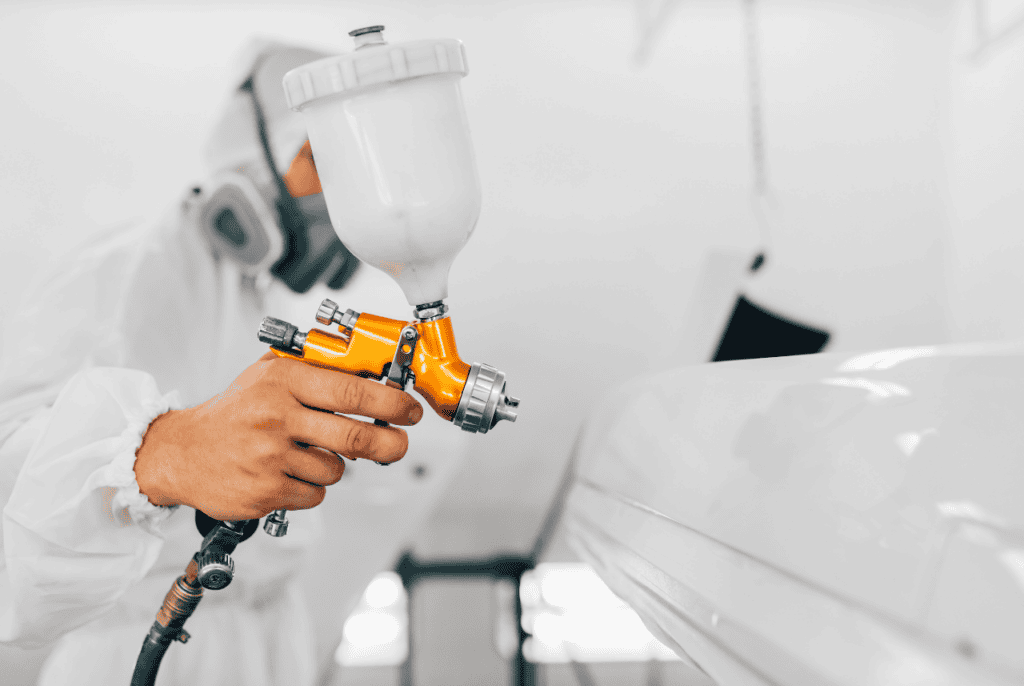
Getting your spray gun setup right is what separates a smooth, consistent finish from rework, overspray and wasted material. Whether you’re working on-site, in a workshop, or within a controlled spray environment, the way your equipment is assembled and configured has a direct impact on performance.
This guide focuses specifically on air-assisted airless (AAA) spray gun setups, where both fluid pressure and compressed air work together to control atomisation and spray pattern.
Why your spray gun setup matters
A spray gun isn’t just a single tool – it’s a system. In air-assisted airless setups, components such as the fluid nozzle, air cap and air supply must work together to achieve the correct balance of material flow and atomisation.
A well-configured setup helps you:
- Achieve a consistent, even finish
- Reduce overspray and material waste
- Improve transfer efficiency
- Minimise defects and rework
- Extend the lifespan of your equipment
Poor setup, on the other hand, often leads to uneven coating, excessive bounce-back and unnecessary wear on components.
Not all spray guns work the same way
It’s important to understand that this setup differs from standard airless systems. Airless spray systems rely solely on fluid pressure for atomisation and do not use an air cap.
In contrast, air-assisted airless systems introduce compressed air to refine the spray pattern, resulting in improved control, finer finishes and better efficiency in many applications.
Key components of an air-assisted airless spray gun setup
Before assembling your system, it’s important to understand the core parts and their role.
1. Fluid nozzle
Controls the amount of coating material passing through the gun.
- Larger nozzles → higher material output (ideal for thicker coatings)
- Smaller nozzles → finer control (better for detailed or thin coatings)
2. Spray tip (needle)
Works alongside the fluid nozzle to regulate flow and shut off material when not spraying.
- Must match the nozzle size
- Worn or mismatched tips lead to inconsistent flow and poor finish
3. Air cap
Shapes the spray pattern and controls atomisation.
- Determines fan width and spray shape
- Affects how evenly the coating is distributed
4. Air supply & pressure system
Delivers the compressed air needed for atomisation.
- Includes compressor, regulators and air lines
- Pressure directly impacts spray quality and efficiency
5. Fluid delivery system
Feeds coating material into the spray gun.
- Typically supplied via a pump system in AAA setups
- Must provide consistent pressure for stable performance
Step-by-step: Assembling an air-assisted airless spray gun setup
Step 1: Select the right components
Start by choosing components suited to your coating and application.
- Match fluid nozzle size to coating viscosity
- Ensure needle and nozzle are compatible
- Select an air cap designed for your desired spray pattern
Using incompatible components is one of the most common causes of poor performance. You can explore our range of spray equipment here.
Step 2: Install the fluid nozzle and needle
Carefully fit the fluid nozzle into the gun body and secure it according to manufacturer guidelines.
- Avoid overtightening – this can damage threads
- Ensure the needle moves freely without resistance
- Check for proper alignment
Step 3: Attach the air cap
Fit the air cap over the nozzle and secure it in place.
- Align correctly to achieve the desired spray pattern (horizontal or vertical fan)
- Ensure it is clean and free from blockages
Even small obstructions in the air cap can disrupt atomisation.
Step 4: Connect the air supply
Attach your air hose and ensure all connections are secure.
- Use a regulator to control pressure accurately
- Check for leaks in hoses and fittings
- Ensure clean, dry air supply (contaminated air affects finish quality)
Step 5: Set fluid and air pressure
This is where performance is fine-tuned.
- Adjust fluid pressure to achieve the correct material flow
- Introduce air gradually to refine atomisation
- Balance both to avoid excessive overspray or poor coverage
- Too much air pressure → overspray and bounce-back
- Too little air pressure → poor atomisation and uneven finish
Step 6: Test the spray pattern
Before starting work, always test your setup.
- Spray onto a test surface
- Check for even distribution and consistent fan shape
- Adjust air cap, pressure or fluid flow as needed
A consistent oval or fan-shaped pattern indicates correct setup.
Common spray gun setup mistakes
Even experienced operators can run into issues if setup is rushed or overlooked.
Incorrect nozzle size
Using the wrong size leads to:
- Poor atomisation
- Excessive material use
- Inconsistent finish
Mismatched components
Not all needles, nozzles and air caps are interchangeable.
- Always use compatible sets
- Mixing components can disrupt spray performance
Incorrect pressure settings
In AAA systems, both air and fluid pressure must be balanced.
- Too much air → overspray and rough finish
- Too little air → coarse spray and poor coverage
Dirty or worn parts
Blocked or worn components affect consistency.
- Clean equipment regularly
- Replace worn nozzles and air caps
Poor air quality
Moisture or oil in the air supply can cause:
- Surface defects
- Adhesion issues
- Contamination in the finish
Best practices for optimal performance
To get the most from your spray gun setup:
- Match your setup to the coating and application
- Maintain consistent air pressure throughout use
- Regularly inspect and replace consumables
- Keep all components clean and free from residue
- Test before every job to confirm performance
Consistency in setup leads to consistency in results.
The impact of a well-assembled spray system
Taking the time to correctly assemble your spray gun setup doesn’t just improve finish quality – it affects the entire operation.
A well-configured system helps:
- Reduce downtime and rework
- Improve coating performance and durability
- Lower material costs
- Extend equipment lifespan
Final thoughts
An air-assisted airless spray gun setup is about achieving the right balance between air and fluid. When configured correctly, it delivers a consistent finish, improved efficiency and reliable performance across a wide range of applications. If you’re unsure whether your current setup is optimised, or you’re experiencing inconsistent results, it may be time to review your configuration. Speak to the Airblast team to ensure your spray setup is working as efficiently as it should.