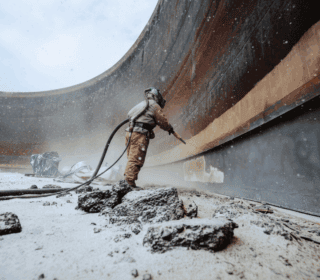
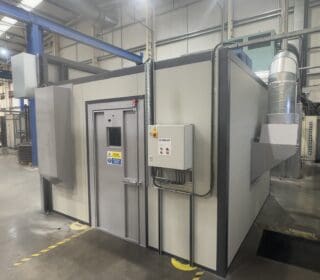
Abrasive blasting does more than remove rust, old coatings and other surface contaminants. It also creates a textured surface that helps the new coating adhere to the [...] Read more
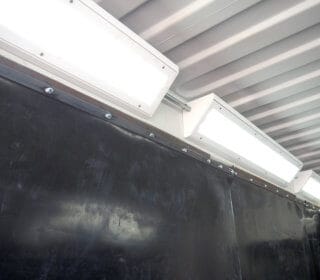
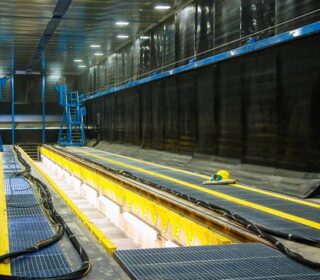
Lighting is an important part of any blast room. During abrasive blasting, dust and airborne abrasive can reduce visibility, while the workpiece itself may create shadows and [...] Read more
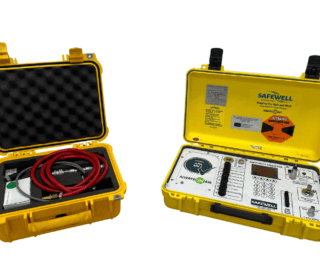
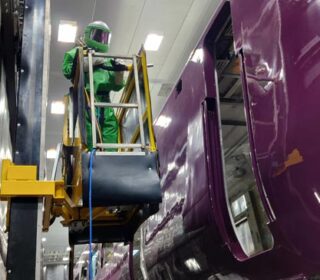
During abrasive blasting, operators can be exposed to dust and other airborne contaminants. Supplied-air respiratory protective equipment helps protect the wearer by delivering air from a separate [...] Read more
Investing in additional blasting capacity does not necessarily mean committing to a permanent facility. For some businesses, a permanent blast room forms an essential part of day-to-day [...] Read more
Transport infrastructure is expected to perform in some of the most demanding environments. Every day, bridges, railway assets, safety barriers and highway structures are exposed to heavy [...] Read more
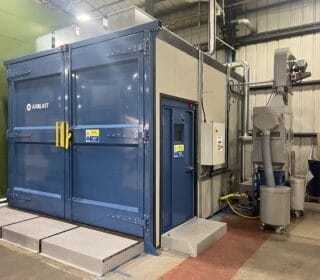
At first glance, a blast room might seem like little more than a contained space for abrasive blasting. In reality, it's one of the most important parts [...] Read more
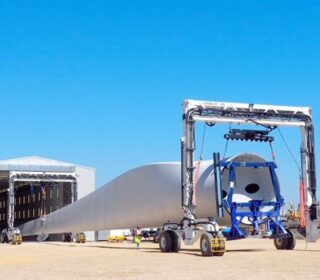
Corrosion is one of the biggest long-term threats facing energy infrastructure. From offshore platforms and pipelines to wind turbines and storage tanks, protective coatings are relied upon [...] Read more
Heavy equipment used across construction, infrastructure and manufacturing sectors operates in highly abrasive and corrosive environments. Protective coatings and surface preparation therefore play a critical role in [...] Read more
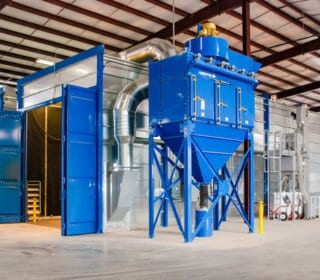
Blast room performance is heavily influenced by ventilation. While blasting equipment, abrasive selection and operator technique all play important roles, airflow design and dust extraction are what [...] Read more
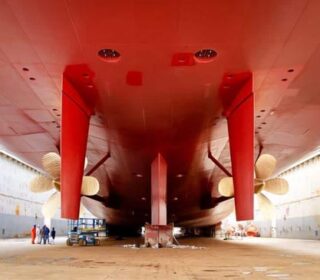
Ships and offshore structures operate in some of the most aggressive environments found in industry. Constant exposure to saltwater, humidity, UV radiation and mechanical wear places continuous [...] Read more