Abrasive Blasting for Rail and Road Maintenance

Transport infrastructure is expected to perform in some of the most demanding environments. Every day, bridges, railway assets, safety barriers and highway structures are exposed to heavy traffic, changing weather conditions, moisture, pollution and corrosive contaminants that gradually wear away protective coatings.
To keep these assets safe, reliable and in service for as long as possible, regular maintenance is essential. One of the most important stages of any maintenance programme is surface preparation. Before a new protective coating can be applied, the existing surface must be cleaned thoroughly and prepared to the correct specification.
This is where rail and road abrasive blasting plays a vital role. By removing corrosion, deteriorating coatings and surface contaminants, abrasive blasting creates the ideal foundation for protective coatings, helping infrastructure owners extend asset lifespan, reduce maintenance costs and improve long-term performance.
The challenges of maintaining transport infrastructure
Maintaining rail and road infrastructure is rarely straightforward. Unlike many industrial assets, transport networks often remain in constant use, leaving limited opportunities for inspection, repair and refurbishment.
Maintenance teams commonly face challenges such as:
- Limited rail possessions and road closures that restrict working time
- Ageing infrastructure requiring ongoing refurbishment rather than replacement
- Exposure to rain, UV radiation, road salt, pollutants and coastal environments
- The need to minimise disruption while maintaining high safety standards
With these pressures, every maintenance window must be used efficiently. Surface preparation needs to deliver consistent results first time to ensure coatings perform as intended and assets can return to service without unnecessary delays.
Why surface preparation is so important
Even the highest-performing coating system will fail prematurely if it’s applied to a poorly prepared surface. If rust, old coatings, mill scale, grease or other contaminants remain on the substrate, coatings may struggle to bond correctly. This can lead to premature coating failure, corrosion returning beneath the paint system and more frequent maintenance.
Abrasive blasting removes these contaminants while creating the appropriate surface profile for the selected coating system. This profile provides the mechanical key needed for coatings to achieve strong adhesion, improving durability and helping protect infrastructure for longer.
For rail and road projects, where maintenance opportunities may only occur every several years, achieving the correct surface preparation is particularly important.
Where abrasive blasting is used
Transport infrastructure includes a wide variety of steel structures and components, all of which benefit from effective surface preparation before coating.
Bridges
Steel bridges are continually exposed to harsh environmental conditions, including moisture, vehicle emissions and de-icing salts. Over time, coatings deteriorate, allowing corrosion to develop.
Abrasive blasting removes ageing coatings and corrosion, preparing bridge structures for new protective systems that help maximise service life while reducing future maintenance requirements.
Rolling stock
Rail vehicles are subjected to continuous environmental exposure, vibration and mechanical wear throughout their operational life.
During refurbishment programmes, abrasive blasting is commonly used to prepare locomotives, passenger carriages, coaches, bogies and wheelsets before inspection, repair and recoating. Removing old coatings and corrosion allows maintenance teams to properly assess component condition while creating an ideal surface for new protective finishes.
Trackside structures
Signal gantries, overhead line equipment, maintenance platforms, fencing and other trackside structures are constantly exposed to the elements.
Routine blasting and recoating help preserve these assets, reducing corrosion and supporting reliable operation across the rail network.
Highway infrastructure
Road infrastructure also relies heavily on protective coatings. Crash barriers, lighting columns, sign supports, pedestrian bridges and other roadside structures all require regular maintenance to withstand years of environmental exposure.
Proper surface preparation ensures replacement coating systems can deliver long-lasting corrosion protection despite demanding operating conditions.
Delivering consistent coating performance
Transport infrastructure projects often involve strict specifications, detailed inspection requirements and multiple contractors working to tight schedules. Consistent abrasive blasting helps ensure every prepared surface meets the required cleanliness standard and surface profile before coating begins.
Achieving this consistency depends on several factors, including:
- Selecting the appropriate abrasive media
- Maintaining correct blasting pressure
- Using suitable nozzle sizes and equipment
- Producing the specified anchor profile
- Inspecting prepared surfaces before coating application
When each stage is carefully controlled, protective coatings are more likely to achieve their intended lifespan, reducing future maintenance costs and extending the life of valuable infrastructure assets.
Choosing the right blasting solution
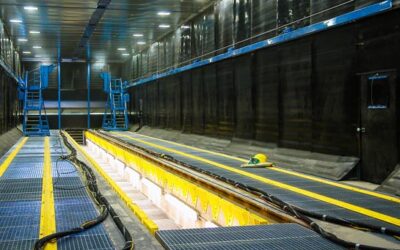
Different maintenance projects require different blasting solutions. Large bridge refurbishment projects may require high-output portable blasting equipment, while rail maintenance facilities often benefit from dedicated blast rooms designed to improve efficiency, dust control and operator safety.
Supporting equipment such as abrasive recovery systems, dust extraction and ventilation also plays an important role in maintaining productivity while helping operators work safely in demanding environments.
Equally important is equipment maintenance. Worn nozzles, inconsistent abrasive flow or inadequate compressed air can reduce blasting efficiency, increase abrasive consumption and compromise the quality of surface preparation.
Supporting the rail and road sector
At Airblast, we have extensive experience supporting organisations responsible for maintaining and manufacturing rail and road infrastructure. Our expertise includes supplying blasting equipment and designing complete blasting facilities for the rail industry, including projects for leading rolling stock manufacturers such as Hitachi Rail and Bombardier Transportation.
Every project has its own operational challenges, from working within limited maintenance windows to achieving consistent surface preparation across large structural components. By combining reliable equipment with technical expertise, we help customers develop blasting solutions that improve productivity, support coating performance and contribute to long-term asset protection.
Protecting infrastructure for the future
Railways and highways represent long-term investments that require ongoing maintenance to remain safe, reliable and cost-effective. While protective coatings provide the first line of defence against corrosion, their performance begins long before the paint is applied.
As rail and road networks continue to age, maintenance strategies increasingly focus on extending asset life rather than replacing infrastructure. High-quality surface preparation remains one of the most effective ways to maximise coating performance, reduce lifecycle costs and keep critical transport assets operating safely for longer.