How Operator Technique Influences Coating Quality
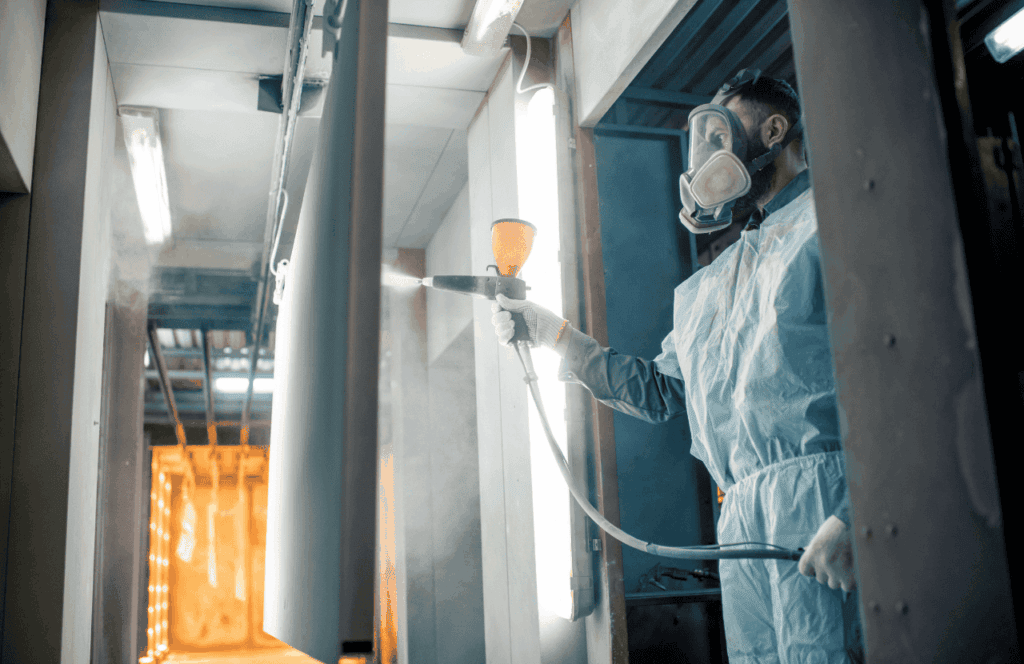
When coating defects occur, it’s easy to focus on the spray equipment. Worn tips, incorrect pressure settings or poor material preparation can all contribute to inconsistent finishes. However, even when equipment is correctly maintained and configured, the quality of the final coating still depends heavily on the person operating it.
Operator technique plays a significant role in coating quality, transfer efficiency and overall spraying performance. Small differences in how a spray gun is held or moved can influence coating thickness, finish consistency, material consumption and the amount of overspray produced. Understanding these techniques and applying them consistently helps businesses improve quality, reduce waste and achieve more predictable coating performance.
Why technique matters as much as equipment
Modern spray equipment is designed to deliver accurate, repeatable results, but it can only perform as intended when used correctly. An experienced operator understands how to maintain a consistent spray pattern while adapting to different substrates, coating materials and component geometries. Even with high-quality equipment, poor technique can lead to defects that increase rework, delay production and waste coating materials.
Successful industrial coating applications rely on two equally important factors:
- Well-maintained, correctly specified equipment
- Skilled operators using consistent spray application techniques
Neither works effectively without the other.
Maintaining the correct spray distance
One of the simplest but most important aspects of spray technique is maintaining the correct distance between the spray gun and the workpiece.
Holding the gun too close can result in:
- Excessive film build
- Runs and sags
- Uneven coating thickness
- Increased risk of solvent entrapment
Holding it too far away can cause:
- Dry spray
- Poor transfer efficiency
- Rough surface finishes
- Increased overspray
- Higher material consumption
It’s often surprising how quickly coating quality changes when spray distance varies by only a few centimetres. Operators may not notice the change while spraying, but the finished coating often reveals inconsistent film build, increased overspray or dry spray areas.
Keeping the spray gun at the correct angle
The spray gun should generally remain perpendicular to the surface throughout the entire stroke. A common mistake is allowing the gun to arc at the beginning or end of each pass. This changes the distance between the nozzle and the surface, causing uneven film thickness across the spray pattern.
Instead, operators should move the entire arm rather than pivoting from the wrist. This helps maintain:
- Consistent coating coverage
- Uniform film thickness
- Better finish consistency
- Improved transfer efficiency
This becomes particularly important when coating large flat surfaces where even small variations become highly visible.
The importance of overlap patterns
Each spray pass should overlap the previous pass consistently to produce a uniform coating. Too little overlap may create:
- Striping
- Thin areas
- Inconsistent appearance
- Reduced protection
Too much overlap can lead to:
- Excessive coating thickness
- Runs
- Increased material usage
- Longer curing times
Consistent overlap patterns help produce an even finish while ensuring the specified dry film thickness is achieved across the entire component.
Travel speed affects coating performance
Spray gun movement should remain smooth and consistent throughout each pass.
Moving too slowly increases coating build and raises the risk of defects such as sagging or runs. Moving too quickly can leave insufficient coating on the surface, resulting in:
- Poor coverage
- Reduced durability
- Thin film thickness
- Additional coating passes
Finding the correct travel speed allows operators to achieve the desired film build without compromising finish quality or production efficiency.
Common application errors that affect coating quality
Many coating defects can be traced back to inconsistencies in operator technique rather than problems with the coating itself.
Some of the most common application errors include:
- Inconsistent spray distance
- Incorrect gun angle
- Uneven travel speed
- Poor overlap patterns
- Excessive wrist movement
- Incorrect trigger timing
- Inconsistent spray pressure adjustments during application
These issues can contribute to problems such as orange peel, dry spray, excessive overspray, uneven film build and inconsistent appearance.
Over time, they also increase material usage, reduce productivity and create additional inspection and repair work.
Improving transfer efficiency
Transfer efficiency describes how much of the coating actually reaches the intended surface compared with the amount lost as overspray.
While spray equipment selection plays an important role, operator technique has a major influence on achieving efficient coating application.
Operators who maintain correct spray distance, angle and movement typically achieve:
- Reduced overspray
- Lower coating consumption
- Cleaner working environments
- Improved finish quality
- Lower operating costs
Small improvements in technique can generate significant material savings across high-volume production environments.
Standardising spraying techniques
Consistency becomes increasingly important when multiple operators work across different shifts or production lines.
Without standardised spray application techniques, coating quality can vary between operators despite using identical equipment and materials.
Many businesses improve consistency by establishing clear application procedures covering:
- Spray pressure settings
- Gun setup
- Spray distance
- Overlap percentage
- Travel speed
- Inspection requirements
Documented procedures help ensure every operator follows the same best practices while making quality control easier to manage.
The role of operator training
Even experienced operators benefit from refresher training as equipment, coating technologies and application methods continue to evolve.
Effective spray operator training helps reinforce good habits while identifying techniques that may reduce coating quality without the operator realising it.
Training typically focuses on:
- Correct equipment setup
- Spray pattern evaluation
- Transfer efficiency
- Film thickness control
- Common coating defects
- Equipment maintenance
- Safe spraying practices
Practical, hands-on training allows operators to receive immediate feedback and develop greater confidence in achieving consistent results.
Equipment still matters
Operator skill is essential, but it should always be supported by properly maintained equipment.
Blocked filters, worn spray tips, damaged hoses or incorrect pressure settings can make consistent spraying difficult, even for highly experienced operators. Regular inspection and maintenance ensure operators can apply their skills effectively while reducing unnecessary downtime and quality issues.
The best coating performance is achieved when skilled operators are supported by reliable equipment and well-controlled application processes.
Conclusion
High-quality industrial coatings depend on much more than selecting the right equipment or coating material. Operator technique and coating quality are closely linked, with factors such as spray distance, gun angle, overlap patterns, travel speed and trigger control all influencing the final finish.
By combining well-maintained equipment with effective spray operator training, standardised application procedures and ongoing operator awareness, businesses can improve coating consistency, increase transfer efficiency, reduce rework and make better use of every litre of coating applied.
Investing in operator skills is ultimately an investment in coating performance, productivity and long-term operational efficiency.