What’s Included in a Blast Room Service? (And Why It Matters)
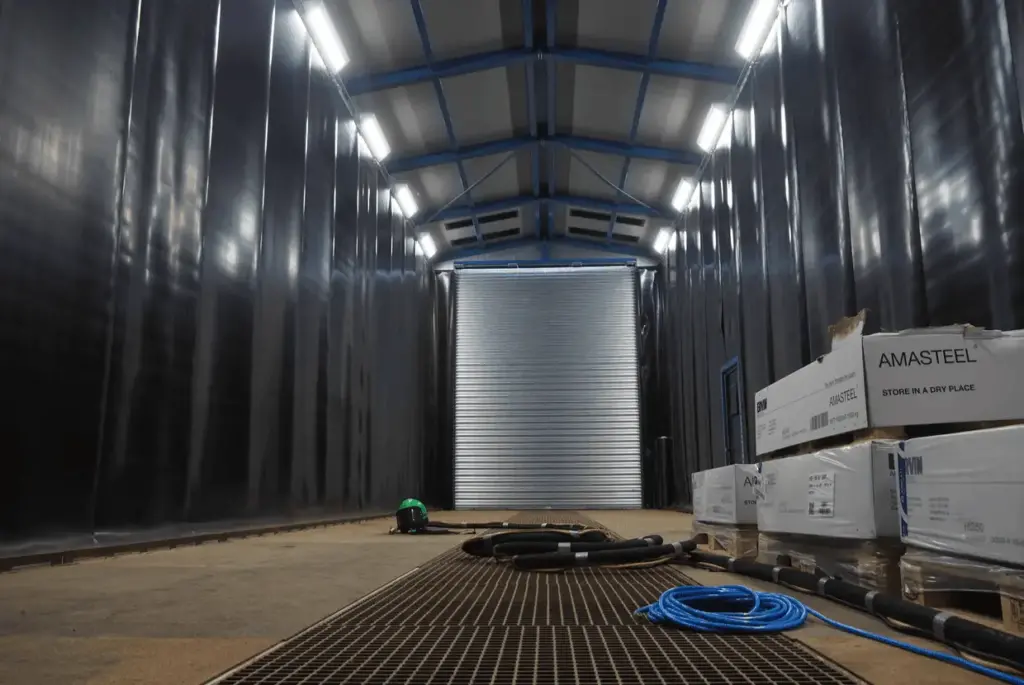
Blast rooms are built to handle demanding, high-throughput environments. But like any complex system, performance depends on how well it’s maintained.
Regular servicing isn’t just about fixing issues when they arise. It’s about protecting efficiency, maintaining safety standards, and ensuring your operation continues to run without costly interruptions.
In this guide, we’ll break down what a typical blast room service includes – and why it plays a critical role in long-term performance.
Why blast room servicing matters
A blast room is made up of multiple integrated systems working together – airflow, abrasive recovery, dust collection, and control systems. When one element underperforms, it affects everything.
Without regular servicing, you may start to see:
- Reduced blasting efficiency and inconsistent surface preparation
- Increased abrasive consumption and waste
- Poor visibility due to ineffective dust extraction
- Higher risk of equipment failure and unplanned downtime
- Potential compliance and safety issues
Regular servicing helps to:
- Reduce downtime by identifying issues early
- Extend equipment lifespan and protect your investment
- Maintain consistent and efficient performance
What’s typically included in a blast room service?
A professional service goes beyond a basic inspection. It provides a detailed assessment of all critical systems to ensure the blast room is operating safely and efficiently.
1. System-wide inspection and performance review
The service begins with a full inspection of the blast room to assess overall condition and performance.
This includes:
- Identifying wear across the facility
- Highlighting inefficiencies or airflow issues
- Recommending adjustments or replacements
This stage provides a clear picture of how the system is performing as a whole – not just individual parts.
2. Airflow & ventilation checks
Airflow plays a critical role in both safety and blasting performance.
Servicing typically includes:
- Measuring airflow rates and pressure levels
- Checking ductwork for blockages or leaks
- Assessing air balance across the system
- Inspecting fans and motors for performance and wear
Poor airflow reduces visibility, affects dust control, and can compromise both operator safety and finish quality.
3. Dust collection & filtration performance
Dust extraction systems are essential for maintaining a safe and compliant working environment.
During servicing, engineers will:
- Inspect filter bags or cartridges for wear or blockage
- Assess filter cleaning systems
- Check and adjust damper settings
If filtration performance drops, dust levels increase, visibility is reduced, and operator health may be at risk.
4. Abrasive recovery & handling systems
Efficient abrasive recovery is key to maintaining productivity and controlling costs.
A service will typically cover:
- Inspection of elevator belts for wear, tension, and alignment
- Checks on buckets for wear and correct operation
- Checking for blockages, wear or misalignment
- Assessment of abrasive flow and recycling efficiency
- Inspection of separators and cleaning systems
If this system is not functioning correctly, abrasive quality declines, waste increases, and blasting consistency is affected.
5. Blasting equipment & components
The blasting equipment itself requires regular inspection to ensure safe and consistent operation.
This includes:
- Blast pots, valves, and control systems
- Hoses, couplings, and nozzle holders
- Nozzle wear and performance
- Remote control systems and deadman handles
- Grit valve wear and settings
- Pop-up valves and sealing rings
- Pipe fittings and overall pressure vessel condition
These components directly influence pressure control, media flow, and overall blasting efficiency
6. Safety systems & compliance checks
Safety is a core part of any blast room service.
This typically involves:
- Verifying emergency stop systems and testing safety interlocks
- Checking lighting and visibility within the blast room
- Checking control panels and system functionality
- Inspecting wiring and connections
- Inspecting ventilation performance against safety requirements
- Reviewing compliance with relevant standards and guidelines
Regular servicing helps ensure your facility remains compliant and protects operators on site.
7. Breathing air & operator safety equipment
Operator protection is critical in blasting environments.
Checks include:
- Breathing air filter cartridge condition
- Helmet condition and integrity
- Low-pressure warning indicators
These checks ensure operators are working in a safe, controlled environment.
The impact of regular servicing
Investing in routine blast room servicing delivers clear operational benefits.
- Improved efficiency: Well-maintained systems operate more consistently, improving throughput and reducing rework.
- Reduced downtime: Preventative maintenance helps avoid unexpected breakdowns.
- Lower running costs: Efficient systems reduce waste, energy use, and component wear.
- Extended equipment lifespan: Regular checks and maintenance prevent excessive wear and prolong equipment life.
- Safer working environment: Effective dust control and airflow improve safety conditions.
What happens if you don’t service your blast room?
Neglecting maintenance often leads to gradual performance decline – followed by sudden failure.
Common risks include:
- System blockages, abrasive recovery inefficiencies and material waste
- Dust extraction failure and poor visibility
- Increased wear on critical components
- Higher energy usage and operational costs
- Unplanned downtime and costly repairs
In many cases, the cost of reactive repairs far exceeds the cost of routine servicing.
When should a blast room be serviced?
Service frequency depends on usage, but as a general rule:
- Two service visits per year are typically recommended
- Higher usage environments may require more frequent checks
- Additional servicing may be needed if performance drops
A tailored service schedule ensures your system continues to operate as intended.
A proactive approach to performance
Blast room servicing isn’t just maintenance – it’s an investment in reliability, safety and long-term performance.
By taking a proactive approach, you can:
- Maintain consistent blasting quality
- Reduce operational risk
- Extend the life of your equipment
- Keep your facility running efficiently
Speak to Airblast
Whether you’re looking to schedule a routine service, troubleshoot performance issues, or explore upgrades, Airblast can support you.
Our team works closely with operators and facility managers to ensure blast rooms continue to perform at their best – today and long into the future.
Speak to our team or book a service consultation to keep your blast room operating at peak performance.