Why Clean Air Matters in Blasting Operations

In abrasive blasting, compressed air does far more than drive abrasive through a hose. It supplies operators with breathing air, powers equipment, and directly affects surface preparation results. When that air is contaminated with oil, moisture, or particulates, it can compromise safety, damage equipment, and undermine coating performance. Maintaining high blasting air quality is therefore a critical part of any safe, compliant, and efficient blasting operation.
How contaminated air affects operator safety
Blasting operators often rely on air-fed helmets or respirators supplied by treated compressed air systems. The breathing air supply typically follows a controlled path:
Compressor > airline > breathing filter unit > airline > airflow (constant-flow) valve > helmet breathing line
The breathing filter unit plays a critical role in this system. It removes oil vapour, moisture, particulates, and other contaminants before the air reaches the operator. The constant-flow valve, worn at the operator’s waist, regulates and maintains a consistent supply of safe breathing air into the helmet.
If air is not properly filtered and maintained, contaminants such as oil vapour, carbon monoxide, or moisture-borne pollutants can be delivered directly into the breathing zone.
Stringent controls exist because poorly maintained compressors and breathing air filtration systems pose serious risks to operator health. Poor breathing air quality can lead to:
- Headaches, dizziness, and nausea from carbon monoxide exposure
- Respiratory irritation from oil mist and fine particulates
- Reduced visibility and comfort due to excess moisture
- Increased long-term health risks from repeated exposure
The breathing filter unit itself requires routine maintenance to remain effective. Filter cartridges must typically be replaced every three months or 400 operating hours, whichever comes first, to ensure contaminants continue to be properly removed.
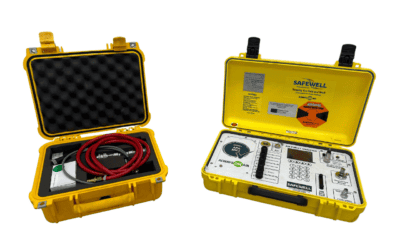
Regular breathing air quality testing and system maintenance:
- Confirms compliance with BS EN 12021 and HSE guidance
- Verifies the effectiveness of the breathing filter unit
- Identifies compressor or filtration faults early
- Provides documented evidence for safety audits
- Protects operators from invisible airborne hazards
By combining proper air treatment, correctly maintained breathing filter units, and routine air quality testing, blasting operations can ensure operators receive consistently safe breathing air and reduce exposure risks.
How contaminated air affects blasting performance
Blasting relies on dry, consistent airflow to deliver abrasive at a stable velocity. When air quality drops, performance usually follows.
Moisture in compressed air can cause:
- Abrasive to clump and block hoses
- Inconsistent blast patterns
- Reduced cutting efficiency
- Fluctuating surface profiles
Oil contamination can:
- Coat abrasive particles and the substrate
- Interfere with coating adhesion
- Increase the risk of surface defects after painting
Even small amounts of contamination can lead to uneven cleaning, higher abrasive consumption, and increased rework rates. Clean, dry air supports predictable blasting behaviour and helps achieve specification-compliant surface finishes.
How contaminated air affects equipment reliability and maintenance
Compressed air quality also affects the service life of blasting equipment. Moisture and oil accelerate corrosion and wear inside blast pots, valves, and regulators.
Common issues linked to poor air quality include:
- Premature seal and valve failure
- Corrosion inside pressure vessels and pipework
- Blocked metering valves and inconsistent abrasive feed
- Increased downtime for cleaning and repairs
Maintaining clean, dry air helps extend equipment life and control long-term maintenance costs.
The role of drying and filtration systems
Air quality control starts at the compressor but must be managed throughout the entire system.
Key stages typically include:
- Aftercoolers to reduce air temperature and condense moisture
- Air dryers to remove water vapour before it reaches the blast system
- Particulate and oil filters to capture solids and aerosols
- Carbon monoxide filters where breathing air is supplied
Without these stages, contamination can build rapidly, particularly during long blasting shifts or in humid environments.
A system-wide responsibility
Blasting air quality depends on:
- Compressor condition and placement
- Cooling and drying systems
- Filtration stages
- Hose integrity
- Routine testing and maintenance
Treating compressed air as a controlled process input rather than just a power source helps improve safety, consistency, and productivity.
Supporting safer and more consistent blasting
Clean air is not just a regulatory requirement. It is the foundation of reliable, compliant, and professional surface preparation.
From compressed air treatment systems to breathing air quality testing, controlling air quality supports:
- Safer working conditions
- More stable blasting results
- Reduced equipment wear
- Improved coating outcomes
Regular testing and maintenance help ensure blasting operations remain compliant, efficient, and safe for operators.