How to Reduce Dust Exposure in Blasting
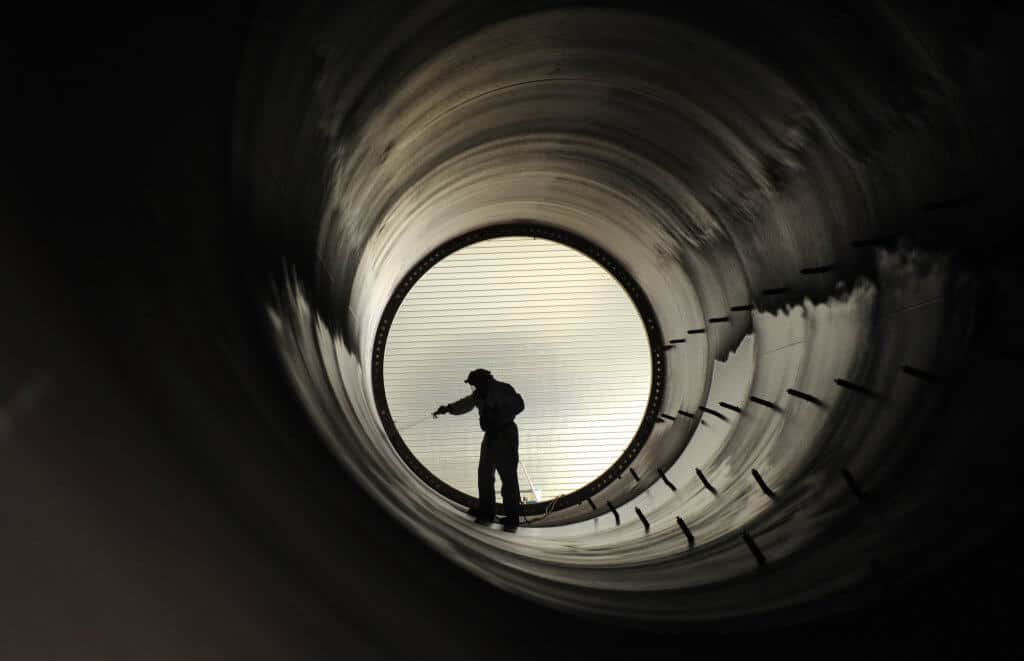
Abrasive blasting is an essential surface preparation process across sectors including structural steel, marine, energy, rail and heavy equipment manufacturing. However, without proper control measures, it can generate significant airborne particulates that pose serious health and safety risks to operators and surrounding personnel.
Understanding how to reduce dust exposure in blasting is critical not only for operator wellbeing, but also for maintaining regulatory compliance, protecting equipment performance and ensuring consistent coating quality.
This guide outlines the risks associated with blasting dust and the proven engineering and procedural controls that create safer, compliant working environments.
The health risks of airborne particulates
During abrasive blasting, dust is created from:
- Fragmented abrasive media
- Removed coatings and corrosion products
- Contaminants present on the substrate
Depending on the material being removed, dust may contain respirable crystalline silica, heavy metals from legacy coatings, or other hazardous substances. Fine particulates can penetrate deep into the lungs and contribute to long-term respiratory conditions.
The UK Health and Safety Executive (HSE) identifies abrasive blasting as a high-risk activity where exposure must be carefully controlled under COSHH regulations. Employers have a duty to assess exposure, implement control measures and ensure adequate respiratory protection where required.
Reducing dust is therefore not optional – it is a legal and operational necessity.
Engineering controls: The first line of defence
Effective dust control begins with engineered systems designed to capture and remove airborne particulates at source.
1. Ventilation design in blast rooms
Well-designed blast rooms use controlled airflow to direct contaminated air away from operators and towards extraction points.
Insufficient airflow results in reduced visibility, increased contamination of the blasting surface and greater exposure risk. Properly engineered blasting ventilation systems maintain both safety and productivity.
2. Dust extraction and collection systems
Industrial dust collectors are critical in enclosed blasting environments. These systems:
- Extract contaminated air from the blast room
- Separate dust from usable abrasive
- Prevent re-circulation of hazardous particles
Airblast provides integrated dust collection solutions designed specifically for abrasive blasting and shot blast operations, ensuring effective separation efficiency and long-term reliability.
Regular inspection and maintenance of filters, ducting and collectors is essential to maintain performance and compliance.
3. Containment solutions
Where blasting is conducted outside of permanent blast rooms, temporary containment becomes essential.
Blasting enclosures help prevent dust migration into surrounding work areas or the wider environment. This is particularly important in shipyards, infrastructure refurbishment and industrial maintenance projects where cross-contamination must be strictly controlled.
Abrasive selection and process optimisation
Dust generation is influenced not only by ventilation but also by the abrasive media selected.
Factors affecting dust levels include:
- Abrasive hardness and friability
- Particle size and breakdown rate
- Recycling capability
Using higher-quality, less friable abrasives can significantly reduce dust production. Monitoring abrasive condition and replacing degraded media also limits unnecessary dust generation.
Process optimisation – including correct air pressure, nozzle selection and blast distance – further reduces excessive fragmentation and airborne particulate creation.
Personal protective equipment (PPE)
Even with effective engineering controls, appropriate PPE remains essential.
Blast operators should use:
- Air-fed blasting helmets with hearing protection
- Clean, filtered breathing air systems
- Protective suits and gloves
Breathing air quality is particularly critical. Compressed air must meet recognised purity standards, and filtration systems must remove oil, moisture and contaminants before air is supplied to operators.
PPE should always be considered the final control layer – not the primary solution – but it remains vital for operator safety in blasting.
Monitoring and compliance
To ensure dust control measures remain effective:
- Conduct regular exposure monitoring
- Perform air quality testing
- Maintain documented risk assessments
- Review ventilation and extraction performance
- Train operators on correct procedures
Compliance with HSE guidance and industry best practice protects both personnel and business continuity. Failure to control exposure can result in enforcement action, operational shutdowns and long-term health liabilities.
Creating safer blasting environments
Reducing dust exposure in blasting requires a layered approach:
- Properly engineered ventilation
- High-efficiency dust extraction systems
- Effective containment
- Informed abrasive selection
- High-quality respiratory protection
- Ongoing monitoring and maintenance
When these measures are integrated, blasting operations become safer, more compliant and more efficient.
Airblast supports contractors, facility operators and project managers with technically robust solutions for abrasive blasting dust control, ventilation design and compliant blasting environments.
If you are reviewing your blasting facility or planning an upgrade, our team can provide guidance tailored to your operational requirements.