Troubleshooting Inconsistent Blasting Performance on Site
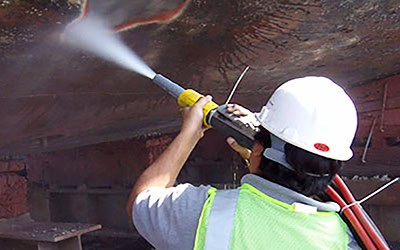
Consistent blasting performance is essential for achieving the required surface profile, maintaining productivity, and avoiding costly rework.
When blasting results vary from one area to another, the root cause is often hidden in the equipment, abrasive, air supply, or even the environment.
This guide walks operators through practical steps for troubleshooting blasting performance, helping you diagnose issues quickly and maintain reliable results on every project.
Check the quality and condition of the abrasive
Abrasive breakdown, contamination, and moisture are some of the most common contributors to fluctuating blasting quality.
What to look for:
- Moisture in the abrasive: Causes clogging, reduced flow, inconsistent patterns, and poor cleaning rates.
- Contamination: Rust, dust, and debris impact performance and can damage equipment.
- Incorrect abrasive size or type: Leads to over- or under-profile and uneven cleaning.
Fixes:
- Store abrasives in dry conditions with proper covers and pallets.
- Inspect abrasive regularly and discard contaminated batches.
- Use a sieve or abrasive separator to maintain clean, consistent media.
- Ensure the abrasive type matches the material and profile specification.
Download our free guide on safe abrasive handling to maintain consistent media quality.
Monitor air pressure and flow stability
If air pressure drops or fluctuates during blasting, performance will immediately reflect it.
Signs of pressure issues:
- Weak cutting action
- Inefficient cleaning
- A patchy or inconsistent blast pattern
Steps to diagnose:
- Check pressure at the nozzle, not just at the compressor.
- Look for leaks in hoses, couplings, and fittings.
- Ensure the compressor is correctly sized for the nozzle and hose diameter.
- Inspect air filters, aftercoolers, and moisture traps for blockages.
Fixes:
- Repair or replace leaking hose sections or couplings.
- Clean or replace air filters.
- Confirm the compressor provides sufficient CFM for the setup.
- Drain water traps regularly to prevent moisture entering the blast stream.
If pressure drop or airflow problems persist, our team can inspect your setup and recommend practical fixes.
Inspect the nozzle for wear and damage
Nozzles wear out gradually, but the decline in performance can feel sudden.
What to check:
- Nozzle bore enlargement: Even a slight increase changes air velocity and abrasive flow.
- Cracks or chips: Disrupt the blast pattern and reduce impact energy.
- Nozzle liner material: Tungsten carbide and boron carbide wear at different rates.
Fixes:
- Measure the bore size regularly and replace worn nozzles.
- Use high-quality nozzle materials for heavy or continuous use.
- Ensure the nozzle gasket is sealing correctly to prevent loss of pressure.
Unsure whether your nozzle is affecting performance? Ask us for help identifying wear or selecting suitable replacements.
Evaluate environmental and site conditions
Environmental factors can directly affect blasting outcomes, especially outdoors.
Key influences:
- Humidity: High moisture increases the risk of abrasive clumping and flash rusting.
- Temperature: Cold air affects compressor efficiency; hot air can increase moisture content.
- Wind and dust: Reduce visibility and interfere with blast direction.
Fixes:
- Store abrasives and equipment in controlled conditions where possible.
- Use moisture separators and aftercoolers to minimise water in the air supply.
- Adjust blast angle to reduce wind interference or create temporary shielding.
- Consider an enclosed blast booth or blast room when environmental conditions are affecting productivity or quality, especially for repeatable or high-specification work.
Assess equipment maintenance and setup
Even minor deviations in setup can lead to noticeable inconsistencies.
What to check:
- Blast hose length and diameter
- Worn hoses causing turbulence
- Incorrect valve settings
- Misaligned deadman controls
- Infrequent pot maintenance
Fixes:
- Follow a documented maintenance schedule.
- Use appropriately sized blast hoses to maintain consistent flow.
- Regularly inspect metering valves for accuracy.
- Ensure all operators follow the same start-up and shutdown procedures.
Review operator technique
Inconsistent blasting can sometimes come down to operator habits.
Common technique issues:
- Varying stand-off distances
- Unsteady sweep speed
- Changing blast angles
- Fatigue during long sessions
Fixes:
- Provide standardised training across the team.
- Encourage consistent sweep patterns.
- Use ergonomic equipment to reduce strain.
- Pair new operators with experienced mentors.
If your team would benefit from structured training, we can provide tailored sessions to improve consistency on site.
Final thoughts
Inconsistent blasting performance is rarely caused by one factor alone. By systematically checking the abrasive, air supply, nozzle condition, environment, equipment setup, and operator technique, you can quickly identify the issue and restore reliable performance on site.
A structured troubleshooting approach not only improves quality but also reduces downtime, increases efficiency, and prolongs the lifespan of equipment
For support with troubleshooting, equipment checks, or training, contact our team for straightforward, practical advice.