How to Train a New Blasting Operator Effectively
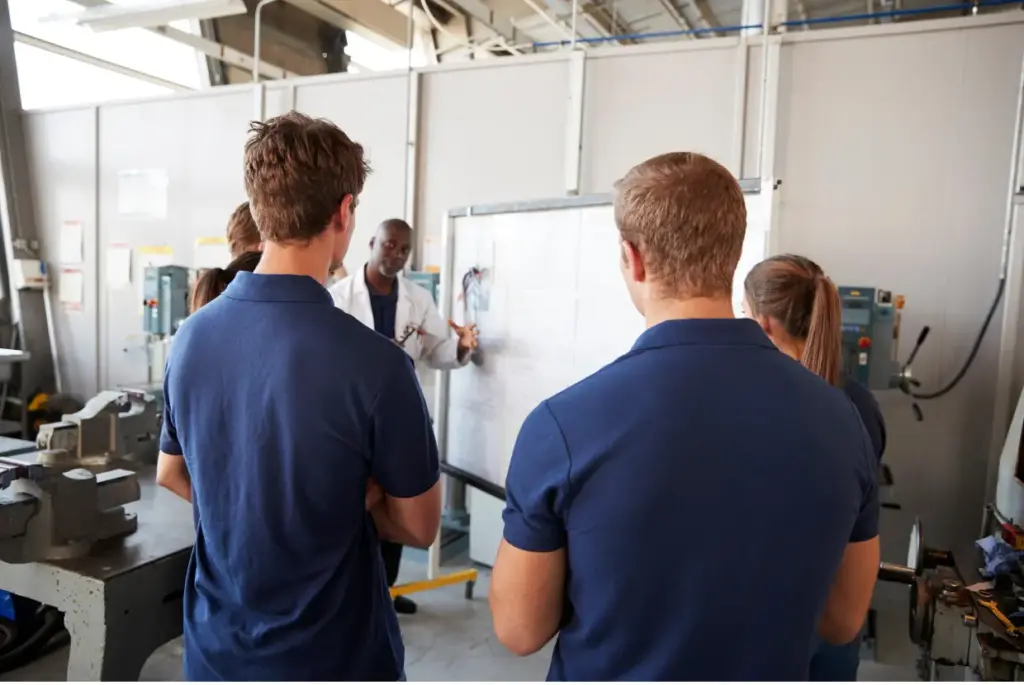
Training a new blasting operator is a critical responsibility.
A structured approach ensures safe practice, consistent results, and reduced risk of costly mistakes. Whether you are inducting an apprentice or guiding a new team member through the fundamentals of surface preparation, an organised process helps build competence quickly and confidently.
Below is a practical framework supervisors can follow when onboarding new operators.
Start with a strong safety foundation
Safety forms the backbone of all blasting work. New operators should begin with a detailed briefing covering:
- Hazard awareness in blasting environments
- Safe handling of abrasive media (correct storage, handling and disposal)
- Ensuring proper ventilation, lighting, and compressed-air quality
- Correct selection, inspection, and maintenance of PPE
- Emergency procedures and site-specific safety rule
Formal safety training ensures operators understand both regulatory requirements and internal standards. Reinforce why each measure matters to create good habits from day one.
Introduce blasting principles and theory
Before stepping near equipment, operators need a clear understanding of the fundamentals.
Cover key topics such as:
- Surface preparation grades and relevant industry standards
- Nozzle techniques and the importance of correct stand-off distance, angle and motion
- Compressed air pressure and flow, and how they affect blasting performance
- Differences between abrasive types – and when to use which media
- Recognising common surface defects and understanding how to avoid them
Providing this technical context makes practical training more meaningful. It also helps new operators understand why consistent technique and correct settings lead to reliable results.
Hands-on equipment familiarisation
Once theoretical knowledge is in place, move on to controlled hands-on sessions. Start with a full walkthrough of the equipment they’ll be using, including:
- Blast machines and their components
- Nozzles, nozzles holders/couplings, hoses and hose management
- Breathing-air systems and deadman controls
- Daily checks and preventative maintenance routines
Encourage new operators to handle components, set up equipment, and practise basic maintenance under supervision. This builds confidence and reduces operational mistakes.
Supervised practical blasting sessions
Practical training should begin in a controlled environment. Allow operators to practise:
- Starting and safely stopping equipment
- Controlling airflow, abrasive feed and blast parameters
- Maintaining correct nozzle technique over sample surfaces
- Working efficiently without compromising safety
- Achieving the specified surface profile and finish quality
Supervisors should provide clear feedback. Focus on improving technique, ensuring operators understand how variations in movement, distance, and angle affect finish quality.
Introduce real-world scenarios gradually
Once basic proficiency is achieved, introduce more complex tasks such as varied substrates, awkward geometries, or projects with demanding surface-preparation specifications. This helps operators learn to:
- Adjust settings for different materials or coatings
- Detect and correct surface inconsistencies
- Maintain quality over larger areas or complex shapes
- Work efficiently within project timeframes while preserving standards
Real-world exposure – while still supervised – bridges the gap between training and independent work.
Implement performance monitoring and ongoing support
Training isn’t complete once an operator can blast independently. Ongoing monitoring helps maintain standards and highlight areas for improvement. Supervisors should track:
- Consistency and quality of surface preparation
- Continued adherence to safety protocols and PPE use
- Equipment care and maintenance habits
- Efficiency, time management, and ability to meet job specifications
- Openness to feedback and willingness to improve
Regular feedback sessions create a supportive environment. Encourage operators to ask questions, reflect on their work, and take ownership of their development.
Reinforce preventative maintenance skills
A skilled blasting operator must also care for equipment. Include training on:
- Daily and weekly inspection routines
- Identifying wear or potential failures (e.g. hoses, nozzles, seals)
- Proper cleaning, storage and maintenance procedures
- Recognising performance issues early (e.g. decreased air flow, inconsistent abrasive feed)
Good maintenance practice reduces downtime, minimises repair costs, and contributes to safer operations.
Keep training up to date
Blasting equipment, techniques, and industry standards evolve. Encourage operators to stay informed through:
- Refresher training sessions
- Updated safety briefings and site audits
- Manufacturer guidance and technical updates
- Team knowledge-sharing sessions
Ongoing development ensures operators maintain high standards throughout their careers.
Conclusion
Effective blasting-operator training combines safety, technical understanding, practical experience, and structured supervision. With the right approach, new operators can quickly gain confidence, work safely, and deliver consistent, high-quality surface preparation.
A well-trained operator becomes an asset: reducing errors, improving productivity and helping maintain a safe working environment.
Ready to get started?
For professional, industry-standard training tailored to your equipment and needs, contact us at Airblast Limited. Our certified trainers offer full-day, hands-on sessions – splitting theory and practice to give new operators the knowledge and confidence they need to excel.
Visit our Training page on the Airblast website or call our team on 01778 560650 to discuss your requirements and schedule your induction.