Essential Safety Checks Before You Start Spraying
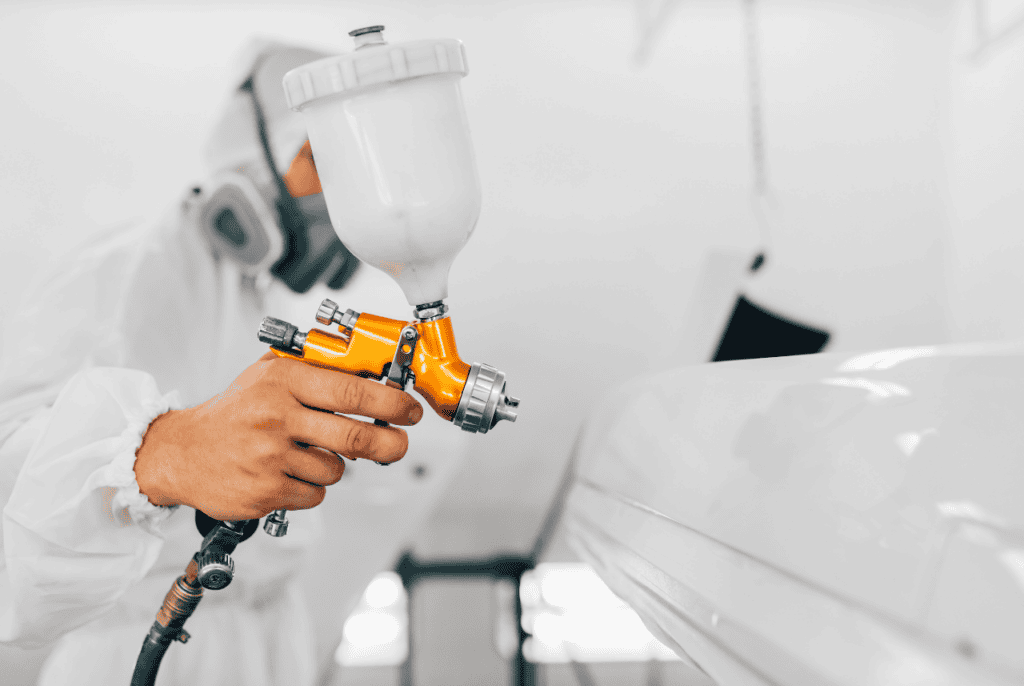
Before any spraying task begins, a thorough safety check is essential.
It protects operators, reduces the risk of equipment failure, and ensures the coating achieves the standard required. Whether you’re applying a protective coating in a workshop, a blast and spray facility, or on-site, following a consistent process helps maintain safety and quality.
Below are the essential spraying safety checks every operator should complete before starting work.
Inspect and prepare your PPE
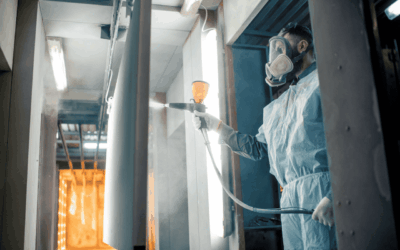
Wearing the correct personal protective equipment is essential. It is the first line of defence against hazardous materials and airborne contaminants, and reflects best practice outlined in UK spray safety guidance.
Before spraying, carry out these PPE checks:
- Ensure your respirator or supplied-air system is functioning correctly, with no damaged seals or cracked components.
- Confirm filters are within date and suitable for the coating being applied.
- Check gloves, overalls and eye protection for tears, wear, or contamination from previous jobs.
- Make sure all PPE fits securely and comfortably to prevent gaps in protection.
Completing these pre-spray safety checks helps maintain operator wellbeing throughout the task.
Choosing the right PPE is essential for safe spraying. View our PPE range to find suitable options or contact our team for support.
Check ventilation and air quality
Proper airflow is critical in any spray environment. It is a core requirement in UK safety standards, helping to reduce overspray, remove fumes, and support safe air quality and operation of equipment.
Before starting:
- Confirm the spray booth or workspace ventilation system is operating effectively.
- Check extraction fans for blockages or slow performance.
- Ensure there is no build-up of flammable vapours.
- Test compressed air quality if using an air-fed respirator, including moisture and contamination levels.
Maintaining air quality protects operators and also prevents defects in the final finish.
If you’re unsure whether your ventilation or air supply meets safety requirements, we can provide guidance on testing and maintenance.
Inspect spray equipment thoroughly
A visual check alone won’t catch issues that compromise finish quality. A detailed equipment inspection reduces downtime and ensures the system performs correctly.
Make sure to:
- Examine hoses for cracks, kinks, soft spots, or loose fittings.
- Check that spray guns are clean, assembled correctly, and free from residual coating inside the fluid passages.
- Ensure nozzles and tips are in good condition, with no wear that could affect spray patterns.
- Confirm pressure settings on pumps and compressors match the requirements of your coating system.
These spray operation safety steps help avoid downtime, overspray, and uneven application.
If your equipment needs servicing, Airblast can help keep your spray systems running safely and efficiently.
Verify coating material and correct setup
Before spraying begins, ensure the coating system is properly prepared:
- Confirm you are using the correct product for the substrate and environment.
- Check mixing ratios, pot life and viscosity to avoid coating failure.
- Make sure containers are sealed and stored correctly to prevent contamination.
- Calibrate equipment if required to match the coating specification.
Correct preparation ensures a reliable, consistent finish.
If you need advice on pairing coatings with the right equipment setup, we’re here to support you.
Assess the work area
A safe and organised workspace reduces the chance of accidents and improves workflow efficiency.
Before you begin:
- Remove trip hazards and ensure the floor is dry and clear.
- Check that flammable materials are stored away from the spray area.
- Confirm adequate lighting to help maintain accuracy.
- Ensure all emergency equipment – such as extinguishers and first-aid kits – is accessible.
Environmental checks are a vital part of surface coating safety and help prevent avoidable risks.
Review safety data sheets and job requirements
Every coating comes with unique handling and safety considerations. Make sure you:
- Review the Safety Data Sheet (SDS) for information on hazards, PPE requirements and emergency procedures.
- Understand the curing times, recommended temperatures and humidity levels.
- Confirm all operators involved are briefed, trained and understand the plan.
A full review ensures everyone is aligned and aware of the safety expectations before spraying starts.
Conclusion
Performing these essential safety checks before any spraying job protects operators, reduces risks and supports a high-quality finish. Consistency is key: building these checks into your routine helps create a safer, more efficient working environment.
Airblast provides a full range of spray equipment, PPE and training designed to help operators work safely and confidently. If you need guidance on best practice, equipment selection or training options, our team is here to support you.