The Correct Way to Clean and Store Blast Pots After Use
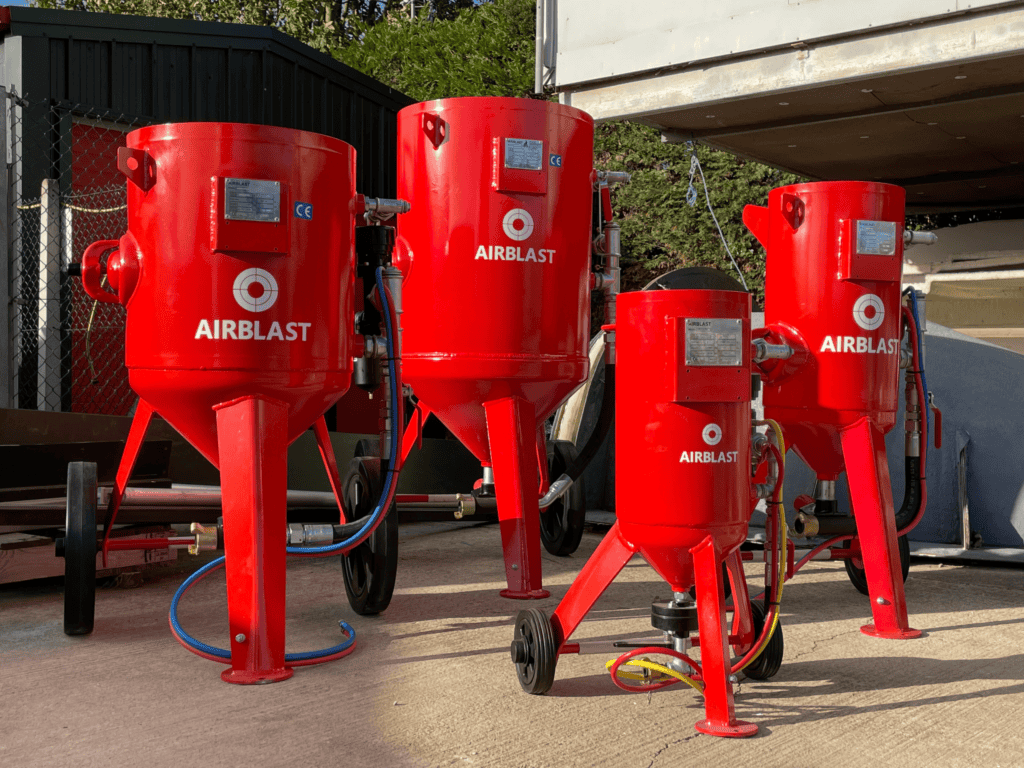
After every abrasive blasting job, what you do next can make all the difference.
Properly cleaning and storing your blast pot not only prevents costly breakdowns but ensures it’s ready for the next project without delay. Blast pots are built for demanding environments, but abrasive residues, moisture, and oil can quickly lead to blockages, corrosion, and inefficient performance if left unchecked. Consistent post-use maintenance is key to keeping your equipment reliable and extending its lifespan. At Airblast, we’ve seen how a simple, structured cleaning routine can help contractors and operators reduce downtime, cut repair costs, and maintain peak efficiency. This blast pot cleaning guide outlines the correct, step-by-step process to clean and store your equipment safely and effectively.
Why blast pot maintenance matters
Blast pots are built to withstand heavy use, but abrasive materials and high-pressure systems naturally cause wear. If abrasive residues, moisture, or oil remain inside the pot or lines after use, they can create:
- Clogging and blockages that slow work on the next job.
- Corrosion or rusting inside the vessel.
- Reduced efficiency of valves and metering systems.
- Costly downtime and repairs that could have been avoided.
By following a simple cleaning and storage routine, operators can extend the lifespan of their equipment and reduce operational costs.
Step-by-step blast pot cleaning guide
- Depressurise the blast pot
- Ensure all blasting operations are complete before cleaning.
- Shut off the air supply and slowly depressurise the blast pot.
- Open the pressure release valve carefully to ensure no residual pressure remains.
- Empty remaining abrasive
- Drain the pot completely of abrasive media.
- Collect unused abrasive and store it properly, checking for contamination or moisture.
- Dispose of contaminated abrasive according to local regulations.
- Clean internal components
- Remove moisture and dust from inside the pot.
- Inspect the metering valve and pipes for abrasive build-up.
- Blow through the system with dry compressed air to clear any residual particles.
- Check seals and valves
- Inspect gaskets, seals, and valves for signs of wear.
- Replace any parts showing cracking or deterioration to avoid leaks or inconsistent blasting performance.
- Flush moisture traps and air filters
- Drain moisture separators and check that filters are free of dust and oil.
- Clean or replace filters if needed to maintain clean airflow.
NOTE: Always wear appropriate PPE during cleaning to protect against residual dust or abrasive particles.
How to store blast pots correctly
Once the pot has been fully cleaned, correct storage is just as important:
- Keep equipment dry: Store blast pots in a covered, ventilated area away from damp or corrosive environments.
- Protect hoses and fittings: Coil hoses neatly and ensure connections are capped or covered to prevent dust and dirt ingress.
- Lubricate moving parts: Apply appropriate lubricant to valves and moving parts before storage.
- Cover the blast pot: If possible, use a protective cover to shield against dust and accidental damage.
Best practices for long-term equipment care
- Carry out a visual inspection of your blast pot before and after every job.
- Schedule preventative maintenance checks to replace worn parts before they fail.
- Keep a maintenance log for each piece of equipment – this helps spot recurring issues early.
- Train all operators on the correct cleaning and storage process to maintain consistency.
Final thoughts
Taking time to clean and store blast pots properly pays off in the long run – extending equipment life, reducing costly repairs, and keeping projects on schedule. Regular maintenance not only protects your investment but also ensures every job starts smoothly and safely.
At Airblast, we understand the importance of keeping abrasive blasting gear in top condition. With the right cleaning routine and proper storage practices, you can keep your blast pots performing reliably, job after job.