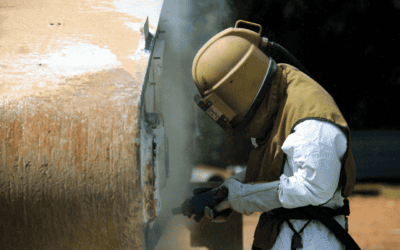
Preventing Moisture Problems During Abrasive Blasting Operations
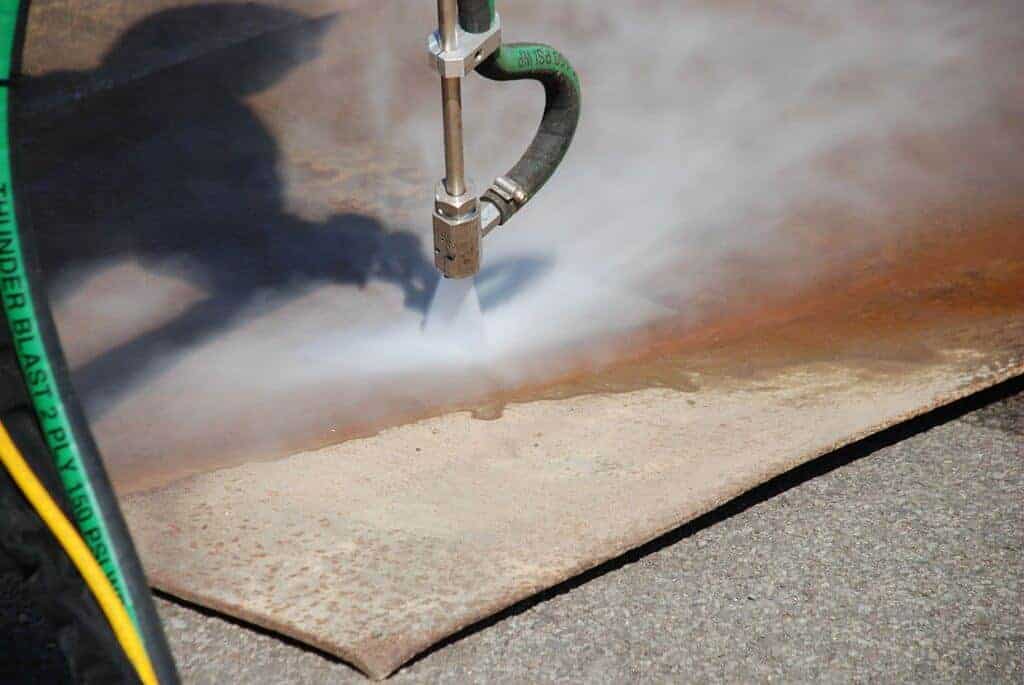
Moisture is one of the most common and disruptive issues encountered during abrasive blasting.
Even small amounts of moisture in the blasting air supply can disrupt abrasive flow, compromise surface quality, and lead to avoidable downtime or rework.
For contractors working on structural steel, fabrication, infrastructure, or maintenance projects, maintaining dry blasting conditions is essential. This blog explains how to prevent moisture in abrasive blasting by focusing on downstream equipment, air treatment components, and good operator practices – without addressing air generation or system design.
Why moisture is a problem in abrasive blasting
Abrasive blasting relies on a consistent flow of dry air and abrasive. When moisture enters the system, it can cause a range of issues, including abrasive clumping, inconsistent blast patterns, and reduced cutting efficiency.
Moisture contamination can also lead to abrasive bridging inside the blast pot and delivery hoses, causing sudden pressure drops and flow interruptions that are often mistaken for equipment faults. On freshly blasted steel, even small amounts of moisture can trigger flash rusting within minutes, compromising surface condition and coating performance.
On large-scale blasting projects, these issues can quickly impact productivity, increase rework, and jeopardise compliance with surface preparation standards.
Common sources of moisture downstream
Moisture-related blasting issues often develop after the compressed air has left the source. As air cools while travelling through pipework and hoses, condensation can form even when upstream air treatment is in place.
Key downstream contributors include:
- Condensation forming as air temperature drops across long hose runs
- Inadequate moisture separation before the blast pot
- Saturated or poorly maintained filters and traps
- Environmental exposure at hose connections and couplings
Longer hose runs and fluctuating ambient conditions increase the likelihood of condensation, making downstream moisture control a critical consideration for consistent abrasive flow.
Using moisture traps and water separators effectively
Moisture traps and water separators are a primary defence against water entering the blasting process, but their effectiveness depends on how they are used and maintained.
Best practice includes:
- Positioning moisture traps as close to the blast pot as practical
- Draining collected moisture regularly throughout the working shift, not just at start-up
- Inspecting seals, drains, and housings for blockages or leaks
Under continuous blasting conditions, moisture can accumulate quickly. Regular monitoring is essential to prevent water carryover that disrupts abrasive flow and surface quality.
The role of aftercoolers and air dryers
Aftercoolers and air dryers fitted to compressors help reduce moisture by lowering compressed air temperature and removing water before it reaches the blasting equipment.
While not part of air generation itself, their correct use downstream supports:
- Reduced condensation in hoses and blast pots
- More stable blasting pressures
- Improved consistency in abrasive delivery
Operators should ensure these units are functioning correctly and are not overloaded during extended blasting operations.
Hose management and condensation control
Long hose runs and exposed pipework can contribute significantly to moisture build-up, particularly where air temperature drops as it travels towards the blast nozzle. Internal condensation may not be visible but can still affect abrasive flow and pressure stability.
To reduce risk:
- Avoid routing hoses through cold, shaded, or damp areas
- Inspect hoses regularly for internal wear or damage that can trap moisture
- Ensure hose connections are tight and protected from environmental exposure
Effective hose management helps minimise internal condensation and supports more consistent blasting performance.
Operator checks that make a difference
Operator awareness is a key factor in moisture control in abrasive blasting.
Routine checks should include:
- Monitoring abrasive flow for signs of pulsing or blockage
- Inspecting blast pots for damp abrasive during refilling
- Checking moisture traps and drains at regular intervals
- Watching for early signs of flash rust on blasted surfaces
Regular inspection and maintenance of moisture control equipment play a critical role in preventing avoidable issues on site. Working with a supplier who understands abrasive blasting environments can help ensure downstream equipment is set up and performing as intended.
Maintaining surface preparation quality
Moisture control directly affects the final surface condition. Damp blasting media or unstable airflow can prevent surfaces from meeting specification, particularly on structural steel and infrastructure projects where coating performance is critical.
Industry experience shows that moisture contamination is a common contributor to coating adhesion failures, often resulting in inspection issues, premature coating breakdown, and costly rework.
Dry, consistent blasting supports uniform surface profiles, improved coating adhesion, and greater confidence that prepared surfaces will perform as intended over their service life.
A practical approach to moisture prevention
Preventing moisture problems in abrasive blasting is about attention to detail rather than complex system changes. By focusing on downstream air treatment, equipment condition, and operator checks, contractors can significantly reduce disruption, protect surface preparation quality, and improve overall process reliability.
If moisture issues are affecting your blasting operations, getting the right advice early can help prevent downtime, rework, and surface quality issues. Speak to the team at Airblast Limited to discuss downstream moisture control, equipment setup, and best-practice approaches tailored to your site and application.