Understanding Compressed Air Quality in Blasting

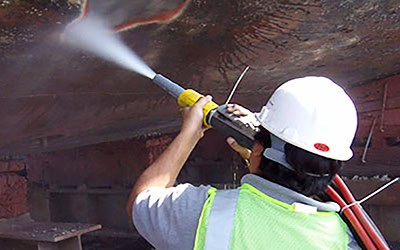
In abrasive blasting, compressed air is not only the driving force behind the process – it is a critical factor in achieving consistent, high-quality results.
If the air supply contains moisture, oil, or other contaminants, blasting performance can be compromised, equipment may suffer premature wear, and surfaces may not be properly prepared for coating. This makes air treatment and monitoring an essential part of any blasting operation.
Why compressed air quality matters
The effectiveness of a blasting process depends on the quality of the air supply.
Contaminated air can lead to:
- Clogging and interruptions: Moisture can cause abrasive media to clump together, reducing flow and efficiency.
- Inconsistent surface finishes: Oil or particulate matter may leave residues, preventing coatings from bonding effectively.
- Corrosion risks: Damp air can cause flash rusting on freshly blasted surfaces.
- Increased costs: Equipment is subject to greater wear, resulting in higher maintenance and replacement expenses.
A clean, dry, and well-regulated air supply ensures reliable operation, efficient use of abrasive, and a consistent surface profile.
Sources of contamination
Air taken into a compressor naturally contains water vapour, oil vapour, and dust particles. During compression, these impurities become concentrated. Without adequate treatment, they travel through the system and into the blast pot or nozzle, directly affecting both performance and surface quality.
Methods for achieving clean, dry compressed air
- Moisture removal:
– Aftercoolers lower air temperature, encouraging water vapour to condense.
– Moisture separators remove condensed liquid from the airflow.
– Dryers (desiccant or refrigerant) provide enhanced drying, especially where very low moisture levels are required.
- Filtration: High-quality filters remove oil mist, dust, and other impurities before they reach the blasting system. Selecting the correct grade of filtration ensures air purity matches the application.
- Testing: On-site methods, such as blotter paper testing, can quickly detect oil or moisture. For operations involving breathing air, regular professional testing is essential to confirm compliance with strict safety standards.
- Maintenance: Even well-designed systems require ongoing care. Routine inspection, replacement of filters, draining of moisture traps, and monitoring for leaks are vital to ensuring continued air quality.
Health and safety considerations
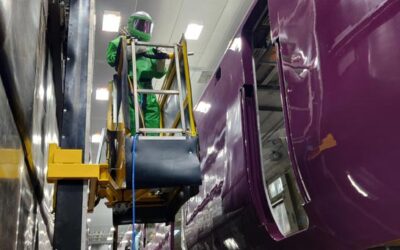
In addition to protecting equipment and improving efficiency, air quality is also a health and safety matter. For operators using compressed air for breathing, strict limits apply to contaminants such as oil mist, carbon monoxide, and carbon dioxide. Regular testing ensures compliance and safeguards workforce wellbeing.
Best practice summary
- Maintain a schedule for filter and separator replacement.
- Perform pre-blast checks to detect contamination early.
- Monitor air quality regularly at the nozzle.
- Train staff to recognise the signs of poor air quality.
- Arrange periodic professional air quality tests where required.
Conclusion
Compressed air quality plays a vital role in the success of abrasive blasting. A well-maintained system that incorporates drying, filtration, and regular testing not only improves blasting performance but also protects equipment, reduces costs, and ensures surfaces are prepared to the highest standard. By treating air quality as a priority, operators can achieve more reliable results, greater efficiency, and safer working conditions.
Breathing air quality testing & servicing
Alongside compressed air treatment for blasting, it’s important to consider air quality for operator safety. Airblast offers breathing air quality testing and servicing for breathing equipment, ensuring compliance with HSE standards and helping protect operators in demanding environments. Tests provide fast results and certification, while servicing keeps filtration units and respiratory protective equipment performing reliably. Find out more about Airblast’s breathing air quality testing here.