Choosing The Right Nozzle for Abrasive Blasting
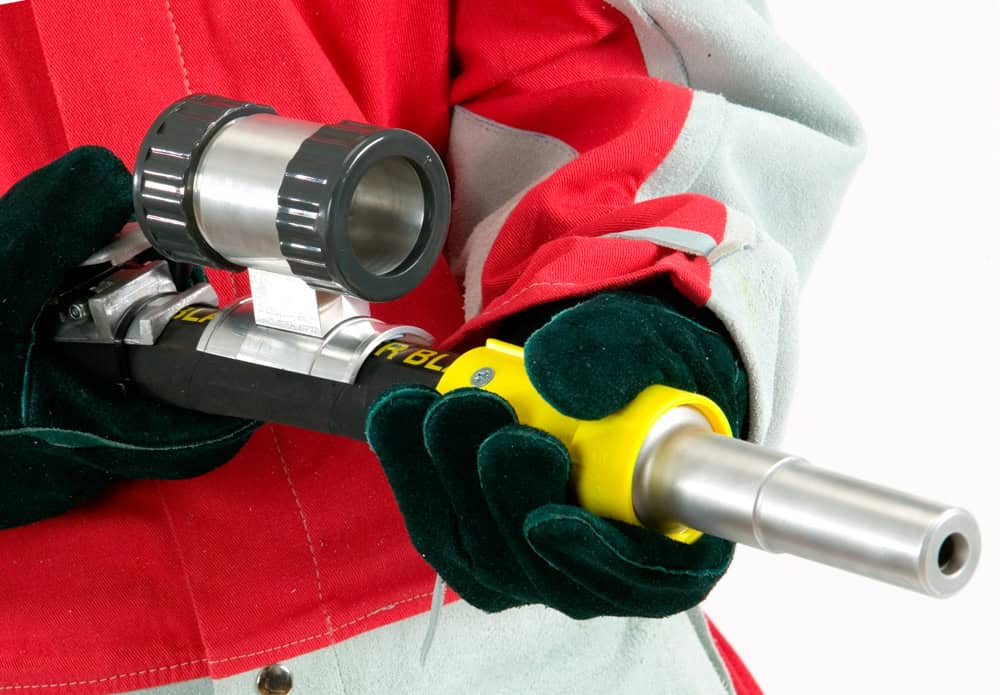
Selecting the correct abrasive blasting nozzle is essential for achieving consistent performance, minimising equipment wear, and reducing operating costs and downtime.
With so many options available, understanding nozzle type, size, and material can help you make an informed decision that enhances both productivity and blasting quality.
Why nozzle choice matters
A blasting nozzle doesn’t just control the flow of abrasive – it directly affects efficiency, surface finish, and running costs. The wrong nozzle can lead to excessive air consumption, uneven coverage, and premature wear, while the right one maximises the effectiveness of your equipment.
When choosing a nozzle, consider:
- The type of abrasive you’re using (the larger the grade of abrasive will require a larger nozzle/internal orifice).
- The surface area being treated.
- Your compressor capacity.
- Desired blast pattern/surface profile.
Nozzle types for abrasive blasting
The nozzle’s internal shape influences the blast pattern and speed. Common nozzle types include:
- Straight bore nozzles: Ideal for small areas, spot blasting, and precision work. They produce a narrow, concentrated pattern – useful for cleaning welds, corners, or hard-to-reach spots.
- Venturi nozzles: The most common choice for general blasting. Their tapered design accelerates the abrasive mixture, creating a wider, more uniform pattern. This design improves efficiency by covering more area in less time.
- Double Venturi nozzles: Designed for even broader coverage and reduced rebound, these nozzles mix air around the abrasive stream to reduce back pressure and operator fatigue. They’re well-suited for large surface preparation projects.
- Sound abating nozzles: Built with noise-reducing materials and extended linings, these nozzles help lower the high sound levels typically associated with abrasive blasting. They provide a quieter working environment without sacrificing performance, making them ideal for locations with strict noise restrictions or for improving operator comfort.
- Fan nozzles: Designed to produce a wide, flat spray pattern similar to a paint brush. These nozzles are more efficient for tasks for surface cleaning large, flat surfaces, than venturi nozzles, as they spread out the abrasive and can double production rates on some surfaces.
Explore our full range of high-performance blasting nozzles on our website.
Choosing the correct nozzle size
Nozzle size determines both airflow and abrasive consumption. Larger nozzles deliver faster cleaning rates but require greater air volume, so your compressor must be capable of supplying sufficient air pressure.
A quick reference:
- Nozzle sizes 3/16”–1/4”: Suitable for light-duty applications and smaller compressors.
- Nozzle sizes 5/16”–3/8”: Common for medium blasting tasks, offering good coverage and speed.
- Nozzle sizes 7/16”–1/2”: Used for heavy-duty blasting and larger compressors.
Again, the larger the grade of abrasive will require a larger nozzle/internal orifice.
Tip: As nozzles wear, their internal diameter increases – reducing pressure and efficiency. Regular inspection and replacement are key to maintaining performance.
Selecting the right nozzle material
The material of your nozzle affects its lifespan, especially when using aggressive abrasives.
| Material | Durability | Best for |
| Tungsten carbide | High | General-purpose blasting; good wear resistance at moderate cost |
| Silicon carbide | Higher | Corrosive environments; offers longer life than tungsten carbide |
| Boron carbide | Very high | Most durable option; ideal for high-production or aggressive media |
While boron carbide nozzles cost more upfront, their exceptional wear resistance often makes them the most cost-effective over time – especially for operators running regular or heavy blasting cycles.
Maintenance and replacement
Even the most durable nozzle will wear with time. To maintain optimal performance:
- Inspect the nozzle orifice regularly for wear or distortion, using a nozzle orifice gauge.
- Replace nozzles once diameter increases by more than 1/16 inch.
- Check the nozzle holder and gaskets for air leaks or poor fit.
- Store spare nozzles properly to avoid accidental damage.
Regular maintenance not only preserves efficiency but also improves safety and ensures consistent results across projects.
Conclusion
Choosing the right abrasive blasting nozzle involves balancing type, size, and material to match your compressor capacity, abrasive choice, and project needs.
The right nozzle delivers:
- Faster, more efficient cleaning.
- Longer service life and reduced costs.
- Greater operator comfort and control.
If you’re unsure which nozzle suits your setup, speak to one of our experts – the right guidance can save time, money, and unnecessary wear on your equipment.